Author Archives: Webmaster

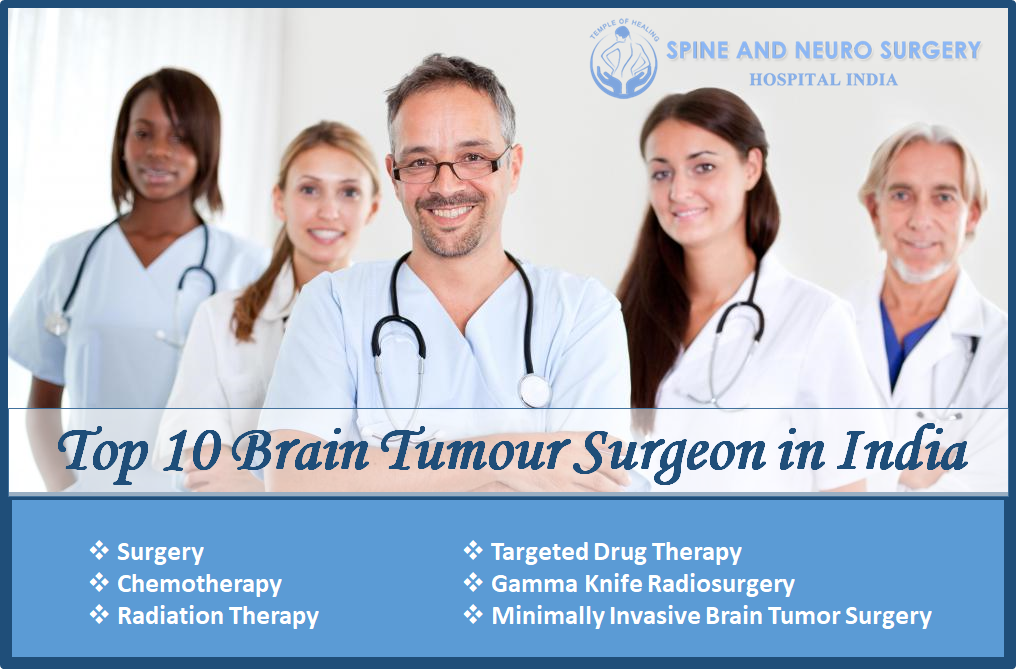
Top 10 Brain Tumor Surgeons in India – 2026

1. What is a Brain Tumor?

Brain, the vital organ of the body is composed of nerve cells and tissues, the three major parts of the brain control the activities of body like breathing (brain stem), moving muscles to walk and perform other activities (cerebellum) and thinking, expressing emotions, memory and personality (cerebrum). People with a primary brain tumor can suffer from malignant or benign cancer that begins in the brain tissues. The secondary type of brain tumor starts to spread elsewhere in the body and grow in the brain.

2. Where Can I Find Best Brain Tumor Surgeons in India?

Spine and neurosurgery hospital India is a network of best surgeons and our top hospitals are considered to be one of the most prominent healthcare groups in the country. Surgeons are highly qualified and specialized in brain tumors or other brain-related surgeries. The fact you should look before choosing the right surgeons is their:

  • Qualification
  • Years of Clinical Experience
  • Patient’s Reviews and Feedback
  • Type of Hospital the Hip Specialist work in
  • Number of Successful Surgeries Performed

VIDEO – TOP BRAIN TUMOR SURGEONS IN INDIA

3. Who are our Top Brain Tumor Surgeons in India

Mentioned below are our top 10 brain tumor surgeons in India, that will help you to relief from brain tumor:

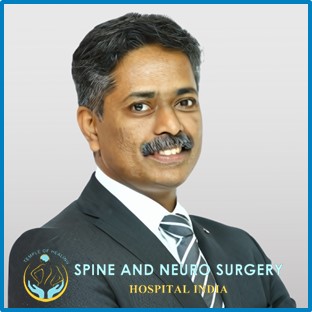
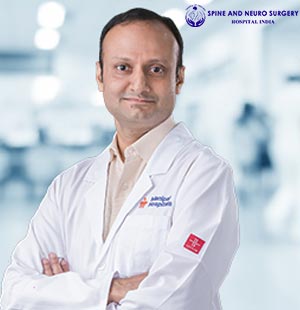
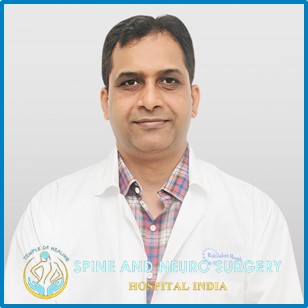
Dr. Rana Patir

 Dr. Rana Patir – India’s Best Brain Tumor Surgeon

Qualification : MBBS, MS – General Surgery, MCh – Neuro Surgery

Hospital : FMRI Hospital Gurgaon

Experience : 30 Years

Specialty : Neurosurgeon

Location: Gurgaon

Consult Now Whatsapp Us

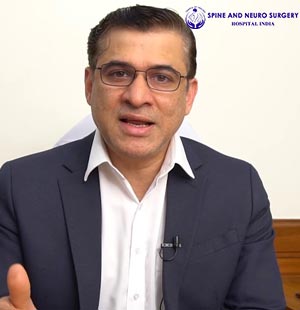
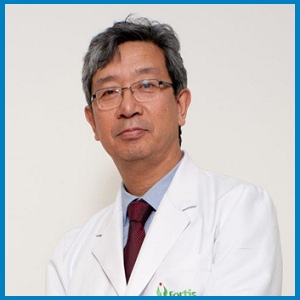
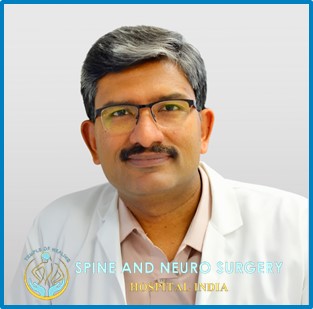
Dr. V. P. Singh

 Dr. V. P. Singh – Best Brain Tumor Neuro Doctor in India

Qualification : MBBS, MCh – Neuro Surgery, DNB – Neurosurgery

Hospital : Medanta Hospital Delhi

Experience : +43 Years

Specialty : Neurosurgeon

Location: Delhi

Consult Now Whatsapp Us

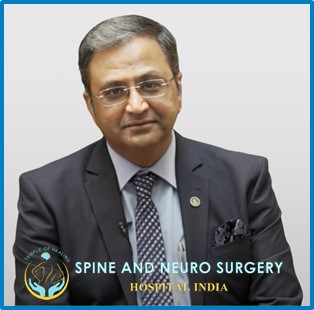
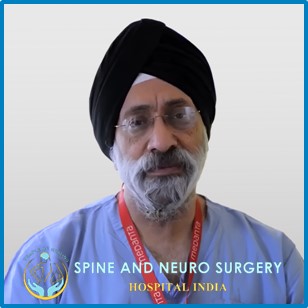
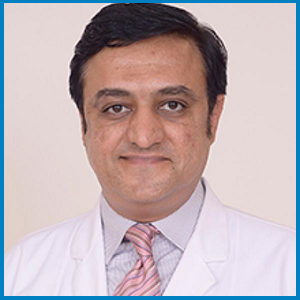
Dr. V. S. Mehta

 Dr. V. S. Mehta – Best Brain Tumor Doctors in India

Qualification : MBBS, MS – General Surgery, MCh

Hospital : Paras Hospital Gurgaon

Experience : 40 Years

Specialty : Neurologist

Location: Gurgaon

Consult Now Whatsapp Us

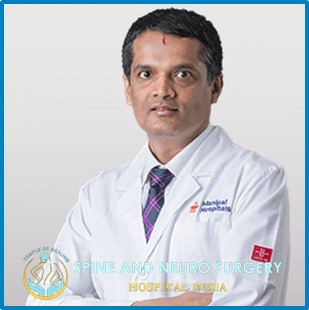
Dr. Rajan Shah

 Dr. Rajan Shah – Famous Brain Tumor Doctor in India

Qualification : MBBS, MS – General Surgery, MCh – Neuro Surgery

Hospital : Nanavati Max Hospital Mumbai

Experience : 42 Years

Specialty : Neurosurgeon

Location: Mumbai

Consult Now Whatsapp Us

Dr. Sandeep Vaishya

 Dr. Sandeep Vaishya – Best Brain Tumor Specialist in India

Qualification : MBBS, MS(General Surgery), MCh(Neurosurgery)

Hospital : Fortis Memorial Research Institute Gurgaon

Experience : 30 Years

Specialty : Neurosurgeon

Location: Gurgaon

Consult Now Whatsapp Us

Dr. Abhaya Kumar

 Dr. Abhaya Kumar – Top Brain Tumor Neurosurgeon India

Qualification: MBBS, MS, DNB, FRCS, FRCS(Neurosurgery)

Hospital : Kokilaben Dhirubhai Ambani Hospital Mumbai

Experience : 20+ Years

Specialty : Neurosurgeon

Location: Mumbai

Consult Now Whatsapp Us

Dr. Aditya Gupta

 Dr. Aditya Gupta – Best Neurosurgeon for Brain Tumor India

Qualification : MBBS, MCh – Neuro Surgery

Hospital : Artemis Hospital Delhi

Experience : +30 Years

Specialty : Neurosurgeon

Location: Delhi

Consult Now Whatsapp Us

Dr. Atul Prasad

 Dr. Atul Prasad – Brain Tumor Surgeon in India

Qualification : MBBS, DM – Neurology

Hospital: BLK Max Hospital Delhi

Experience: 39 Years

Specialty:Neurologist

Location: Delhi

Consult Now Whatsapp Us

Dr. Rajiv Anand

 Dr. Rajiv Anand – Top Brain Tumor Surgeons in India

Qualification : MBBS, MD – Medicine, DM – Neurology

Hospital: BLK Max Hospital Delhi

Experience: 42 Years

Specialty: Neurologist

Location: Delhi

Consult Now Whatsapp Us

Dr. Arun Saroha

 Dr. Arun Saroha – Top Brain Tumor Doctor in India

Qualification : MCh – Neuro Surgery, MS – General Surgery, MBBS

Hospital: Max Hospital Gurgaon

Experience: 28 Years

Specialty: Neurosurgeon, Spine Surgeon

Location: Gurgaon

Consult Now Whatsapp Us

Dr. Chandran Gnanamuthu

 Dr. Chandran Gnanamuthu – Brain Tumor Doctor in India

Qualification : MBBS, MD – General Medicine, DM – Neurology

Hospital: Fortis Hospital Bangalore

Experience: 40 Years

Specialty: Neurologist

Location: Bangalore

Consult Now Whatsapp Us

Dr. V. Murugan

 Dr. V. Murugan – Specialized Brain Tumor Surgeons in India

Qualification : M.D (Paediatrics)

Hospital: Global Hospital Chennai

Experience: 25 Years

Specialty: Pediatric Neurologist

Location: Chennai

Consult Now Whatsapp Us

Dr. Ghulam Muqtada Khan

 Dr. Ghulam Muqtada Khan – Brain Tumor doctor in India

Qualification : MBBS, MS – General Surgery, MCh – Neuro Surgery

Hospital: Global Hospital Mumbai

Experience: 25 Years

Specialty: Neurosurgeon

Location: Mumbai

Consult Now Whatsapp Us

GET THE BEST OF BRAIN TUMOR SURGERY FROM OUR TOP NEUROSURGEON, AND YOU CAN SEND YOUR REPORT TO GET THE FREE NO-OBLIGATION QUOTE.

SEND US YOUR REPORTS ON EMAIL- enquiry@spineandneurosurgeryhospitalindia.com

OR REACH OUT TO US ON PHONE NUMBER- +91-9325887033


4. What Questions Should I Ask My Neurosurgeon Before Receiving Treatment?

Your neurosurgeon will advise you about which treatment is right for you as per your medical history and the amount of pain you are suffering from. Still, ask your doctors for the above question for making yourself clear.

  • Ask your surgeon to explain which type of surgery you will need in detail
  • What type of surgery will I have
  • Does surgery have any side effects
  • Will pain be still there after surgery
  • Discuss different treatment options with him
  • What are the risk factors after surgery
  • How long will this whole treatment take
  • What are the precautions that need to be taken before and after surgery
  • Are there any particular lifestyle changes that you need to take
  • How much time will the recovery from surgery be like

5. Where Can I Find The Best Brain Tumor Surgeons In India?

India is a hub for the best neurosurgeons. Spine and neurosurgery hospital India can give you a brief description of the doctors and where can you find them in India. As some of the major cities that offer quality brain tumor surgeries are Mumbai, Delhi, Bangalore, Ahmadabad, Chennai, etc.

6. How Many Days Do I Have To Stay In India For Brain Tumor Surgery or Treatment?

Usually, the patient might stay for around 3 or 10 days in the hospital after brain tumor surgery. How long you will stay depends on your type of surgery and the recovery time will take. Medications will be instructed by the doctor for your pain relief. Full recovery from surgery might take a few months, depending on the type of surgery and your overall health.

7. Can I Refer To The Reviews Of Old Patients On Spine and Neurosurgery Hospital India website?

As we understand your confusion and worries, going through the Spine and neurosurgery hospital India website testimonials can help you to get a rough idea about the quality of services and treatment they will be receiving. To know more about the quality services provided to our brain tumor patients, you can click on following link:

Click Here to Read Patient Story

8. What Are Brain Tumor Treatments Provided By The Top Neurosurgeon In India?

There are various options for brain tumor:

  • Surgery
  • Minimally invasive scar less brain surgery
  • Radiation therapy
  • Radiosurgery
  • Chemotherapy
  • Targeted drug therapy
  • Rehabilitation after treatment

9. What Factors Should I Consider For Selecting The Best Neurosurgeon In India?

You should consider the following factors while selecting the best neurosurgeon

  • The neurosurgeon should be an expert with extensive training in both surgical and non-surgical treatments.
  • He must have completed total or formal education of 6-7 year of neurosurgical training
  • Neurosurgeon primarily performs complex surgeries on the brain, spinal cord, and peripheral nerves.
  • The surgeon should possess a medical degree, complete a neurosurgery residency and abstain state licensing

10. Why Should I Select My Doctors/ Hospitals Through Spine and Neuro Surgery Hospital in India Website?

Spine and Neurosurgery Hospital India has partnered with medical centers, and we are the network that connects you with top hospitals in India. We provide you with:

  • Fully Equipped Hospitals with Technologies and safety
  • Have 24*7 Nursing Care
  • Zero Waiting Time for Surgery
  • Hospitals with Emergency Care Facilities
  • Trained and Experienced staff
  • Modernized medical infrastructure
  • Highly affordable treatment costs
  • Quick medical visa facilities
  • Safe and comfortable accommodation
  • The world’s highest standards of clinical care and surgery

WE BRING YOU OUR SPECIAL PACKAGES FOR DOMESTIC AND INTERNATIONAL PATIENTS. LEARN MORE ABOUT US AND OUR TOP NEUROSURGEON WITH ADDITIONAL FACILITIES FOR BRAIN TUMOR TREATMENT IN INDIA –

FOR MORE INFORMATION


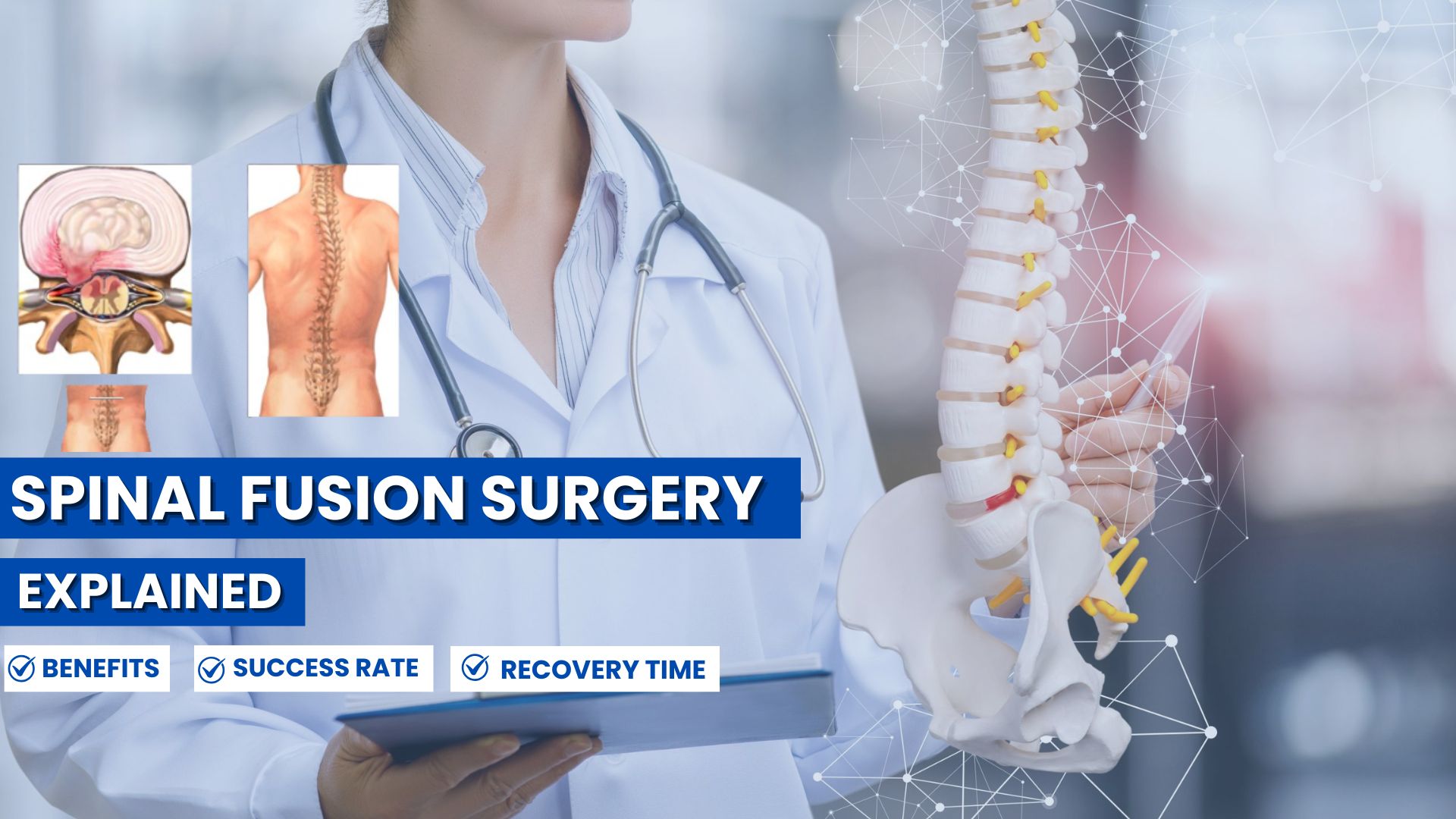
Spinal Fusion Surgery Explained: Benefits, Success Rate, and Recovery Time

What Is Spinal Fusion Surgery?

Spinal fusion surgery is a medical procedure designed to join two or more vertebrae in the spine, creating a single, solid bone structure. This operation is typically performed to alleviate pain caused by conditions such as degenerative disc disease, spinal instability, or deformities like scoliosis.

By fusing the vertebrae, the surgery aims to stabilize the spine, reduce movement between the affected bones, and ultimately improve the patient’s quality of life. The procedure may involve the use of bone grafts, metal rods, or screws to support the fusion process and ensure proper alignment during recovery.

Conditions Treated with Spinal Fusion Surgery

As of 2026, conditions commonly treated with spinal fusion include: 

Degenerative Disc Disease: Wear-and-tear of spinal discs that causes chronic pain and loss of cushioning.

Spondylolisthesis: A condition where one vertebra slips forward over the one below it, causing instability.

Spinal Stenosis: Narrowing of the spinal canal that puts pressure on nerves and the spinal cord.

Scoliosis & Kyphosis: Abnormal curvatures of the spine (sideways or forward) that require correction for alignment.

Spinal Fractures: Broken vertebrae caused by trauma or osteoporosis that make the spine unstable.

Herniated Discs: Cases where disc material compresses nerves and persists after other treatments.

Spinal Tumors or Infections: Diseases that weaken the bone and compromise the spine’s structural integrity.

Spinal Instability: Excessive motion between vertebrae, often due to severe arthritis or previous surgeries.

When Is Spinal Fusion Surgery Recommended?

Spinal fusion surgery is typically recommended for patients experiencing severe and persistent back pain or instability that has not responded to conservative treatment options, such as physical therapy, medication, or injections.

This surgical procedure is often indicated in cases of degenerative disc disease, spinal deformities like scoliosis, or conditions that result in nerve compression, such as herniated discs or spinal stenosis. Additionally, spinal fusion may be considered for individuals with spinal fractures or tumors that compromise the structural integrity of the spine.

The decision to proceed with surgery is usually made after a thorough evaluation, including imaging studies and a comprehensive assessment of the patient’s overall health, functional limitations, and specific symptoms.

Types of Spinal Fusion Surgery

1. By Surgical Approach

Anterior Approach: Accesses the spine from the front (e.g., through the neck or abdomen).

Posterior Approach: Accesses the spine from the back, moving muscles aside to reach the vertebrae.

Lateral Approach: Accesses the spine from the side of the body, often through the flank or waist.

Oblique Approach: Reaches the spine at an angle between the front and the side. 

2. Common Procedure Types (2026)

ACDF (Anterior Cervical Discectomy & Fusion): Performed on the neck (cervical spine) from the front.

ALIF (Anterior Lumbar Interbody Fusion): Performed on the lower back through the abdomen.

PLIF (Posterior Lumbar Interbody Fusion): The spine is accessed from the middle of the lower back.

TLIF (Transforaminal Lumbar Interbody Fusion): A variation of the posterior approach that accesses the disc from the side of the spinal canal.

LLIF/XLIF (Lateral Lumbar Interbody Fusion): Reaches the lower back from the side, minimizing muscle trauma.

360-Degree Fusion: A combination of both anterior and posterior approaches for maximum stability. 

3. By Method

Traditional Open Surgery: Uses a larger incision for a direct view of the spine.

Minimally Invasive (MIS): Uses smaller incisions, specialized tools, and advanced imaging to reduce recovery time and muscle damage.

Benefits of Spinal Fusion Surgery

Spinal fusion surgery offers numerous advantages for individuals suffering from chronic back pain or spinal instability. This surgical procedure aims to permanently connect two or more vertebrae, thereby eliminating motion at the painful segment of the spine.

One of the primary benefits is the significant reduction in pain, as the fusion stabilizes the spine and alleviates pressure on surrounding nerves. Patients often experience improved mobility and functionality, allowing them to return to daily activities with greater ease.

Additionally, spinal fusion can correct deformities, such as scoliosis, and enhance overall spinal alignment, which contributes to better posture and reduced strain on the back. Furthermore, the procedure can prevent further degeneration of the spine, potentially reducing the need for future surgeries.

Success Rate of Spinal Fusion Surgery

The success rate of spinal fusion surgery is a critical factor for patients considering this procedure as a treatment for various spinal conditions, such as degenerative disc disease, spinal instability, or scoliosis. Generally, studies indicate that the success rate can range from 70% to 90%, depending on several variables, including the specific condition being treated, the patient’s overall health, and the surgical technique employed.

Success is often defined not only by the alleviation of pain but also by the restoration of function and improvement in quality of life. Additionally, advancements in surgical technology and techniques, such as minimally invasive approaches, have contributed to improved success rates and reduced recovery times.

Recovery Time and Healing Process

Spinal fusion surgery involves a significant recovery period and a complex healing process. Patients typically experience a gradual return to normal activities, with initial recovery taking several weeks. During this time, it is crucial to follow the surgeon’s post-operative instructions, which may include restrictions on movement and physical activity to promote proper healing.

Pain management and physical therapy are essential components of the recovery process, helping to restore mobility and strength. Full recovery can take several months, and ongoing follow-up appointments are necessary to monitor progress and address any complications that may arise.

Conclusion

Spinal fusion surgery can lead to improved quality of life for many patients, it is essential to consider the potential risks and complications associated with the procedure.

A thorough discussion with a healthcare provider is crucial to weigh the benefits against the possible drawbacks, ensuring that patients make informed decisions regarding their treatment options. Ultimately, spinal fusion can be an effective solution for those suffering from severe spinal issues, but careful consideration and proper post-operative care are vital for optimal outcomes.

References:-

https://my.clevelandclinic.org/health/treatments/25168-spinal-fusion

Brain Tumor Surgery Explained Symptoms, Surgical Options, and Recovery

Introduction to Brain Tumor Surgery

Brain tumor surgery is a critical medical procedure aimed at removing tumors from the brain, which can be either benign or malignant. This type of surgery is often necessary to alleviate symptoms, improve neurological function, or obtain a biopsy for further analysis. The complexity of the procedure requires a highly skilled surgical team and advanced technology to ensure precision and minimize risks. Preoperative assessments and imaging studies are essential to plan the surgery effectively, while postoperative care is crucial for recovery and monitoring potential complications. Overall, Brain Tumor Surgery plays a vital role in the management of brain tumors, significantly impacting patient outcomes.

What Is a Brain Tumor? Types and Causes

A brain tumor is an abnormal growth of cells within the brain or surrounding tissues, which can disrupt normal brain function. These tumors can be classified into two main categories: primary and secondary. Primary brain tumors originate in the brain itself, arising from various types of cells, including glial cells, neurons, and other supportive tissues.

In contrast, secondary brain tumors, also known as metastatic tumors, occur when cancer cells from other parts of the body spread to the brain. The nature of these tumors can vary significantly, with some being benign, meaning they are non-cancerous and typically do not spread, while others are malignant, indicating they are cancerous and can invade nearby tissues or metastasize to other areas.

Genetic predispositions play a significant role, as certain inherited conditions, such as neurofibromatosis and Li-Fraumeni syndrome, increase the likelihood of developing brain tumors. Additionally, exposure to ionizing radiation, particularly during childhood, has been linked to a higher risk of brain tumor formation.

Common Symptoms of Brain Tumors

Brain tumors can manifest a variety of symptoms, which often depend on their size, type, and location within the brain. Commonly reported signs include persistent headaches that may worsen over time, often described as different from typical headaches experienced in the past. Other symptoms can include cognitive changes such as memory loss, difficulty concentrating, or alterations in personality and behavior.

Additionally, individuals may notice physical symptoms such as weakness or numbness in limbs, coordination issues, or changes in vision, including blurred or double vision. These symptoms can significantly impact daily life and may prompt individuals to seek medical evaluation, leading to further diagnostic imaging and assessment to determine the presence of a brain tumor.

When Is Brain Tumor Surgery Recommended?

Brain tumor surgery is typically recommended when the tumor is causing significant symptoms, such as seizures, headaches, or neurological deficits, and when it is deemed operable based on its size and location. Additionally, surgical intervention may be advised to obtain a biopsy for diagnostic purposes or to alleviate pressure on the brain. The decision to proceed with surgery is made after careful evaluation by a medical team, considering the potential benefits and risks involved in the procedure.

Pre-Surgical Diagnosis and Imaging Tests

Pre-surgical diagnosis and imaging tests play a crucial role in the comprehensive evaluation of a patient’s condition prior to undergoing surgical procedures. These assessments are designed to provide detailed insights into the anatomical and physiological aspects of the area requiring intervention, thereby aiding neuro surgeons in formulating an effective surgical plan.

Common imaging modalities employed include X-rays, computed tomography (CT) scans, magnetic resonance imaging (MRI), and ultrasound, each offering unique advantages depending on the specific clinical scenario. For instance, CT scans are particularly useful for visualizing complex bone structures and detecting tumors, while MRIs excel in soft tissue evaluation.

Success Rate and Outcomes of Brain Tumor Surgery

The success rate and outcomes of brain tumor surgery are influenced by a multitude of factors, including the type and location of the tumor, the patient’s overall health, and the surgical techniques employed. Generally, the prognosis for patients undergoing surgery can vary significantly; for instance, benign tumors often have a higher success rate with favorable outcomes compared to malignant tumors, which may require additional treatments such as radiation or chemotherapy post-surgery.

Advances in surgical technology, such as the use of intraoperative imaging and minimally invasive techniques, have contributed to improved outcomes, allowing for more precise tumor removal while minimizing damage to surrounding healthy brain tissue.

Post-Surgery Recovery and Rehabilitation

Post-surgery recovery and rehabilitation are critical phases that significantly influence the overall outcome of a surgical procedure. Following surgery, patients typically experience a range of physical and emotional changes as their bodies begin the healing process. It is essential for individuals to adhere to their healthcare provider’s post-operative instructions, which may include guidelines on pain management, wound care, and activity restrictions.

Regular follow-up appointments with healthcare professionals are also crucial to monitor progress, address any complications, and adjust rehabilitation plans as necessary, ensuring a comprehensive approach to recovery that prioritizes both physical and mental well-being.

Conclusion

The conclusion regarding brain tumor surgery underscores the complexity and significance of this medical intervention. Surgical procedures aimed at removing brain tumors are often critical for alleviating symptoms, improving quality of life, and potentially extending survival for patients. Advances in surgical techniques, such as minimally invasive approaches and the use of intraoperative imaging, have enhanced the precision and safety of these operations. Ultimately, the outcomes of brain tumor surgery can vary significantly, necessitating ongoing research and innovation to improve therapeutic strategies and patient prognoses.

References:-

https://www.hopkinsmedicine.org/health/conditions-and-diseases/brain-tumor/brain-tumor-surgery

Brain Tumor Surgery: Procedure, Risks, and Recovery

Brain Tumor Surgery

What Is Brain Tumor Surgery?

Brain tumor surgery is a medical procedure aimed at removing tumors located in the brain. This operation can involve the complete excision of the tumor or a partial resection, depending on its size, type, and location. The primary goal of the surgery is to alleviate symptoms, improve neurological function, and, when possible, eliminate the tumor to prevent further complications. The procedure is typically performed by a neurosurgeon and may be accompanied by advanced imaging techniques to enhance precision and safety during the operation.

Types of Brain Tumors Treated with Surgery

1. Benign (Non-Cancerous) Tumors 

Meningiomas: Often fully curable through surgical removal.

Pituitary Adenomas: Usually removed via minimally invasive Endoscopic Endonasal surgery (through the nose).

Acoustic Neuromas: Surgery prevents pressure on the brainstem and preserves hearing.

Craniopharyngiomas: Complex tumors near the pituitary gland requiring precision resection. 

2. Malignant (Cancerous) Tumors

Glioblastomas (GBM): Surgery aims to “debulk” the tumor to reduce pressure before radiation/chemo.

Astrocytomas/Gliomas: Surgery is used to remove the core mass and determine the tumor’s grade.

Medulloblastomas: Fast-growing childhood tumors typically requiring immediate surgical intervention. 

3. Metastatic (Secondary) Tumors

Brain Metastases: Cancers that spread from the lungs, breast, or colon. Surgery is performed on large, accessible lesions to alleviate symptoms. 

2025 Surgical Methods

Awake Craniotomy: Patient is awake to ensure speech and motor skills are preserved during removal.

Neuro-Navigation: “GPS-like” technology used for millimeter-precise tumor targeting.

Laser Ablation (LITT): Minimally invasive heat treatment for deep-seated tumors. 

When Is Brain Tumor Surgery Recommended?

Brain tumor surgery is typically recommended when the tumor is causing significant symptoms, such as persistent headaches, seizures, or neurological deficits, which may indicate increased intracranial pressure or disruption of normal brain function.

Additionally, surgical intervention is often considered when imaging studies, such as MRI or CT scans, reveal a tumor that is accessible and can be safely removed without posing excessive risk to surrounding healthy brain tissue. The decision to proceed with surgery also depends on the tumor’s type, size, and location, as well as the patient’s overall health and preferences.

Step-by-Step Brain Tumor Surgery Procedure

Step 1: Pre-Surgical Preparation

Imaging: High-resolution MRI or fMRI (functional MRI) creates a 3D “map” of the brain to locate the tumor and nearby critical zones (speech/movement).

Anesthesia: General anesthesia is administered so the patient is unconscious. In Awake Craniotomies, the patient is awakened during the procedure to test language and motor functions in real-time.

Positioning: The head is secured in a specialized three-pin frame (e.g., Mayfield clamp) to ensure zero movement. 

Step 2: Accessing the Brain (The Craniotomy)

Incision: A scalp incision is made, usually behind the hairline to minimize scarring.

Bone Flap Removal: Neuro Surgeons use a specialized drill (craniotome) to remove a section of the skull, known as a bone flap, which is preserved to be replaced later.

Opening the Dura: The protective membrane of the brain (dura mater) is carefully cut and folded back to reveal the brain tissue. 

Step 3: Tumor Localization and Removal

Neuronavigation: Like a GPS for the brain, real-time computer systems guide the surgeon to the exact millimeter of the tumor.

Monitoring (IONM): Real-time Intraoperative Neurophysiological Monitoring tracks nerve activity to prevent paralysis or speech loss.

Fluorescence Guidance: Patients may ingest a dye (like 5-ALA) that makes tumor cells glow under blue light, helping surgeons distinguish them from healthy tissue.

Resection Tools: Ultrasonic aspirators (CUSA) break up the tumor with high-frequency sound waves, while suction gently removes the fragments. 

Step 4: Closure

Bone Replacement: Once the tumor is removed, the bone flap is repositioned and secured with tiny titanium plates and screws.

Suturing: The scalp is stitched or stapled back together, and a sterile bandage is applied. 

Step 5: Immediate Recovery

ICU Stay: Patients are typically monitored in a Neuro-ICU for the first 24–48 hours to check for swelling or seizures.

Imaging Check: A post-operative MRI is often performed within 48 hours to confirm the extent of removal.

Risks and Possible Complications of Brain Tumor Surgery

Brain tumor surgery carries inherent risks and potential complications that patients should be aware of prior to the procedure. These may include infection, bleeding, and adverse reactions to anesthesia, which can complicate recovery. Additionally, there is a possibility of neurological deficits, such as changes in vision, speech, or motor function, depending on the tumor’s location and the extent of the surgery.

Post-operative complications may also arise, necessitating further medical intervention. It is crucial for patients to discuss these risks with their healthcare team to make informed decisions regarding their treatment options.

Recovery Timeline After Brain Tumor Surgery

The recovery timeline following brain tumor surgery can vary significantly among individuals, influenced by factors such as the tumor’s type, location, and the patient’s overall health. Typically, patients may experience a range of symptoms during the initial recovery phase, including fatigue, headaches, and cognitive changes.

Most individuals are monitored closely in the hospitals for a few days post-surgery, after which they may transition to home care or rehabilitation services. Full recovery can take several weeks to months, with ongoing follow-up appointments to assess neurological function and manage any potential complications. It is essential for patients to adhere to their healthcare provider’s recommendations during this period to facilitate optimal recovery.

Conclusion

Brain tumor surgery is a critical intervention that can significantly impact a patient’s prognosis and quality of life. The decision to proceed with surgery is often based on various factors, including the tumor’s type, size, location, and the overall health of the patient. Successful surgical outcomes can lead to the removal of the tumor, alleviation of symptoms, and improved neurological function. Ultimately, a thorough discussion between the medical team and the patient is vital to ensure informed decision-making and to set realistic expectations regarding the surgery’s benefits and challenges.

References:

https://www.hopkinsmedicine.org/health/conditions-and-diseases/brain-tumor/brain-tumor-surgery

When Is Spinal Fusion Necessary? A Comprehensive Overview

Spinal Fusion Surgery

Overview

Spinal fusion surgery is a medical procedure designed to alleviate pain and restore stability in the spine by permanently connecting two or more vertebrae. This surgical intervention is often recommended for patients suffering from conditions such as degenerative disc disease, spinal stenosis, or spondylolisthesis, where traditional treatments have failed to provide relief. While spinal fusion can significantly improve quality of life for many patients, it is essential to consider the potential risks and benefits, as well as the recovery process, which may vary depending on individual circumstances.

What is Spinal Fusion Surgery?

Spinal Fusion Surgery is a medical procedure designed to join two or more vertebrae in the spine, effectively eliminating motion between them. This technique is often employed to alleviate pain caused by conditions such as degenerative disc disease, spinal instability, or deformities like scoliosis. By using bone grafts or implants, the surgery promotes the growth of new bone, ultimately stabilizing the affected area. The goal of spinal fusion is to enhance spinal stability and reduce discomfort, thereby improving the patient’s overall quality of life.

When is Spinal Fusion Needed?

Spinal fusion is a surgical procedure that may be necessary in various circumstances, particularly when conservative treatments have failed to alleviate severe back pain or instability caused by conditions such as degenerative disc disease, spinal stenosis, or spondylolisthesis. This procedure is often indicated when there is significant spinal deformity, such as scoliosis, or when a spinal fracture has occurred, leading to instability that could compromise the spinal cord or nerve roots.

The goal of spinal fusion is to stabilize the affected vertebrae, thereby reducing pain and improving function, and it is typically considered after a thorough evaluation of the patient’s medical history, physical examination, and imaging studies, ensuring that the benefits of the surgery outweigh the potential risks involved.

Benefits of Spinal Fusion Surgery

Spinal fusion surgery provides several benefits, primarily by joining two or more vertebrae into a single, solid bone to address instability and alleviate pain. 

Key benefits include:

Significant Pain Relief: The procedure aims to eliminate or substantially reduce chronic back or neck pain caused by motion between damaged vertebrae or compressed nerves.

Restored Spinal Stability: By permanently connecting unstable or weak spinal segments (often due to conditions like degenerative disc disease, fractures, or spondylolisthesis), the spine is reinforced, preventing further movement that can cause pain or injury.

Correction of Deformities: Spinal fusion can effectively treat abnormal curvatures or misalignments, such as scoliosis or kyphosis, which improves posture and can alleviate associated pain and functional issues.

Improved Physical Function and Mobility: Many patients experience an improvement in their ability to perform daily activities and hobbies they were previously unable to enjoy due to pain and instability. This often leads to an enhanced quality of life.

Reduced Need for Pain Medication: Successful fusion can decrease or eliminate a patient’s reliance on pain medications, which helps avoid their associated side effects and health risks.

Prevention of Further Nerve Damage: Stabilizing the affected area helps to prevent ongoing pressure or irritation on the spinal cord and nerves, addressing symptoms like tingling, numbness, or muscle weakness in the arms or legs.

Spinal Fusion Risks and Potential Complications

Key risks and potential complications include:

Failed Fusion (Pseudarthrosis): The primary risk is the failure of the bones to heal and fuse into a single solid bone, leading to continued pain or instability and potentially requiring a second surgery.

Infection: As with any surgery, there is a risk of infection at the surgical site, which can be superficial or deep and may require antibiotics or further procedures.

Nerve Damage: The procedure takes place close to the spinal cord and nerve roots. Damage to these can cause new or persistent pain, numbness, weakness, or even paralysis, which can be temporary or, in rare cases, permanent.

Adjacent Segment Disease (ASD): Fusing a section of the spine surgery puts increased stress and motion on the adjacent vertebrae above and below the fused segment, which can accelerate their degeneration and may require future surgery.

Spinal Fluid Leak: The protective membrane around the spinal cord (dura mater) can be torn during surgery, leading to a cerebrospinal fluid (CSF) leak that can cause headaches and may require repair.

Recovery After Spinal Fusion Surgery

Recovery following spinal fusion surgery is a critical phase that requires careful attention and adherence to medical guidance. Patients typically experience a period of discomfort and limited mobility as the body begins to heal and the fusion site stabilizes. It is essential to follow a prescribed rehabilitation program, which may include physical therapy to strengthen surrounding muscles and improve flexibility. Pain management strategies, including medication and rest, play a vital role in facilitating recovery. Overall, a commitment to the recovery plan significantly enhances the likelihood of a successful outcome.

Conclusion

Spinal fusion surgery can be a pivotal intervention for individuals suffering from debilitating spinal conditions. While many patients experience significant relief and enhanced quality of life post-surgery, it is essential to consider the potential risks and complications associated with the procedure. Ultimately, spinal fusion can be an effective solution for those who have exhausted conservative treatment options and seek a long-term resolution to their spinal issues.

References:

https://www.mayoclinic.org/tests-procedures/spinal-fusion/about/pac-20384523

https://www.spineandneurosurgeryhospitalindia.com/spine-procedure/low-cost-spinal-fusion-surgery-in-india.php

Best Neurology Treatment with Dr. Rajiv Anand at BLK Hospital Delhi

References:

https://my.clevelandclinic.org/health/articles/22364-neurosurgeon

https://www.tumblr.com/zoesmith59/797017562352353280/shahlo-uzoqovs-successful-neurosurgery-journey-in?source=share

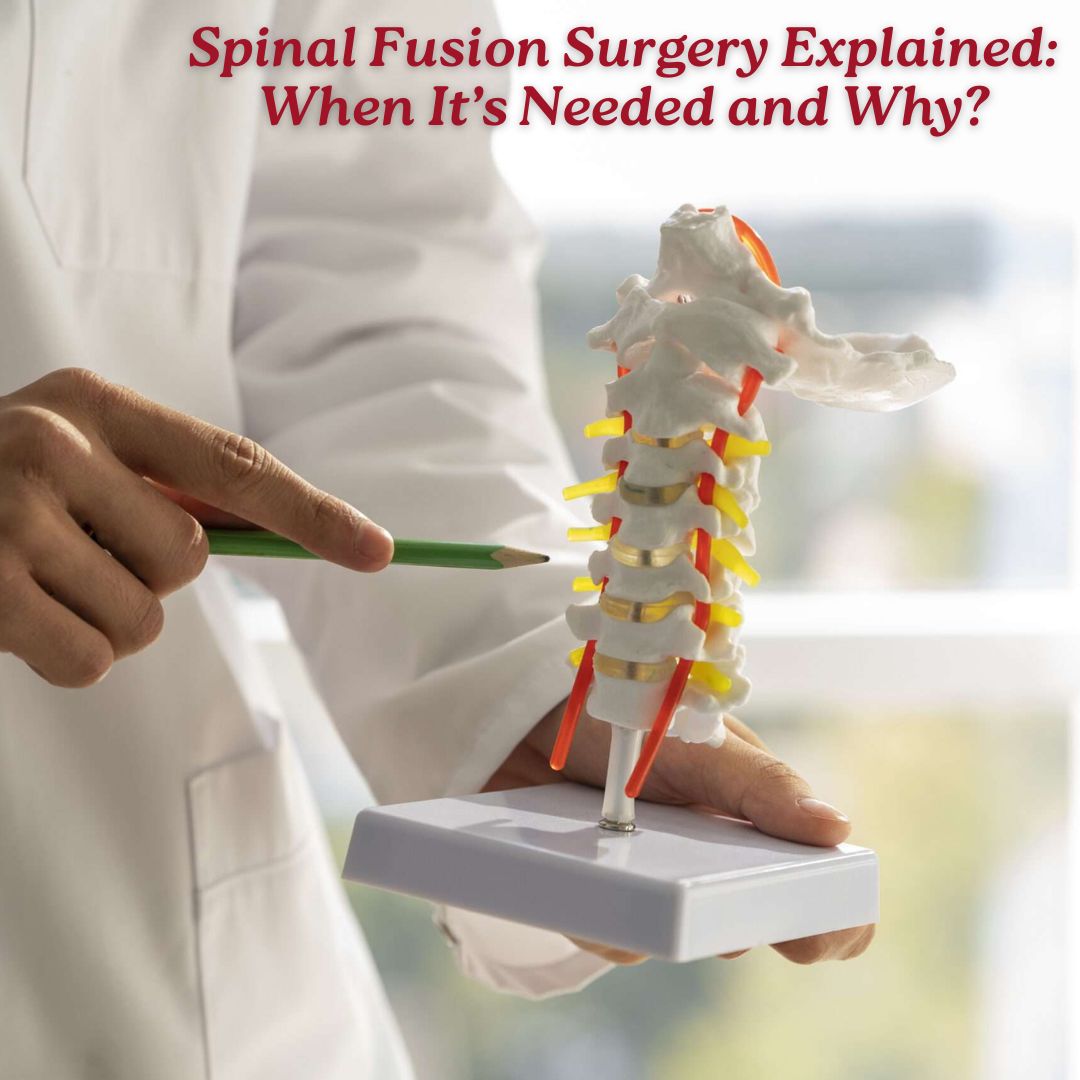
Spinal Fusion Surgery Explained: When It’s Needed and Why?

Spinal Fusion Surgery

What is a Spinal Fusion?

Spinal fusion is a surgical procedure aimed at joining two or more vertebrae in the spine to eliminate movement between them, thereby providing stability and reducing pain. This technique is often employed to treat various spinal conditions, such as degenerative disc disease, spinal deformities, or injuries. By using bone grafts and sometimes metal hardware, the procedure encourages the growth of new bone, ultimately creating a solid mass that supports the spine. Spinal fusion surgery can significantly improve a patient’s quality of life by alleviating discomfort and restoring function.

Types of Spinal Fusion Surgery

Spinal fusion is a surgical procedure that permanently joins two or more vertebrae to eliminate motion, correct deformities, and stabilize the spine. Common types are categorized by the area of the spine and the surgical approach, including anterior (front), posterior (back), and lateral (side) methods.

For the lower back (lumbar), procedures include Anterior Lumbar Interbody Fusion (ALIF) through the abdomen, Posterior Lumbar Interbody Fusion (PLIF) from the back, Transforaminal Lumbar Interbody Fusion (TLIF) from the back/side, and Extreme or Oblique Lateral Interbody Fusion (XLIF/OLIF) from the side.

In the neck (cervical), common fusions are Anterior Cervical Discectomy and Fusion (ACDF), which accesses the spine from the front, and posterior cervical fusion from the back. These surgeries typically involve placing a bone graft and using hardware like screws, rods, or plates to hold the vertebrae in place while they heal into a single, solid bone.

When is a Spinal Fusion Necessary?

Spinal fusion may be deemed necessary in various circumstances, particularly when conservative treatments have failed to alleviate severe pain or instability in the spine. Conditions such as degenerative disc disease, spinal stenosis, or spondylolisthesis often warrant this surgical intervention to stabilize the affected vertebrae and restore functionality. Additionally, spinal fusion is considered when there is a need to correct deformities or to provide support following trauma or tumor removal. Ultimately, the decision to proceed with spinal fusion is made after careful evaluation of the patient’s specific condition and overall health.

What to expect after a spinal fusion?

After undergoing a spinal fusion, patients can anticipate a period of recovery that varies in duration and intensity depending on individual circumstances. Initially, it is common to experience pain and discomfort as the body begins to heal, which may be managed with prescribed medications. Physical therapy often plays a crucial role in rehabilitation, helping to restore mobility and strength over time.

Patients should also be prepared for follow-up appointments to monitor the fusion’s progress and ensure proper healing. Overall, while the recovery process can be challenging, many individuals ultimately experience significant improvements in their spinal stability and quality of life.

What is the recovery time for spinal fusion surgery?

The recovery time following spinal fusion surgery can vary significantly based on several factors, including the patient’s overall health, the specific procedure performed, and adherence to post-operative care instructions. Generally, patients can expect an initial recovery period of several weeks, during which they may experience pain and limited mobility.

Full recovery, allowing for a return to normal activities, may take anywhere from three to six months, with some individuals requiring even longer for complete healing. It is essential for patients to follow their surgeon’s recommendations and attend follow-up appointments to monitor their progress.

Conclusion

Spinal fusion surgery is a significant medical procedure aimed at alleviating pain and restoring stability to the spine by permanently connecting two or more vertebrae. Many patients experience substantial improvements in pain and mobility post-surgery. Ultimately, spinal fusion surgery can be a transformative option for those with debilitating spinal issues, offering the potential for a significant enhancement in quality of life when approached with careful consideration and appropriate medical guidance.

References:

https://www.mayoclinic.org/tests-procedures/spinal-fusion/about/pac-20384523

https://www.spineandneurosurgeryhospitalindia.com/spine-procedure/low-cost-spinal-fusion-surgery-in-india.php

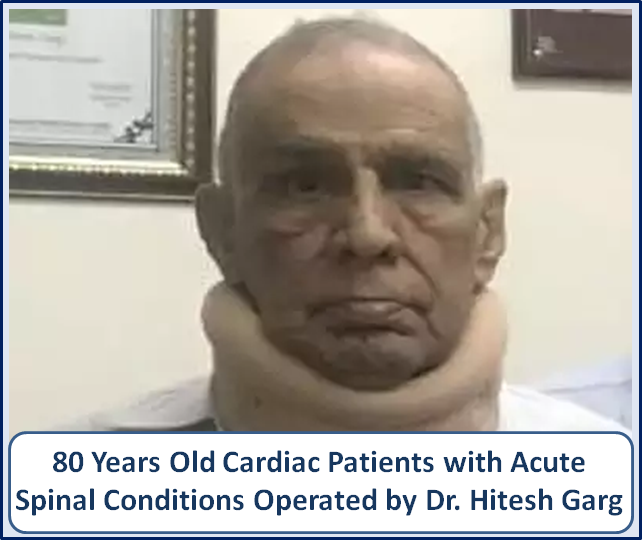
80 Years Old Cardiac Patients with Acute Spinal Conditions Operated by Dr. Hitesh Garg

For 80 old Umed Singh, walking again after a failing heart and a paralytic attack turned out to be a dream.

As he was suffering a medical condition called myelopathy where pressure on the spinal cord affects the transfer of electric signals to hands and legs, resulting in stiff limbs with weakness and ultimately leads to paralysis, Singh was bedridden and relied on others for his private requirements and feeding. After getting consulted by many spine specialists, he was not approved for the surgery because of his failing heart conditions. As he had undergone three major cardiac surgeries previously which included a cardiac bypass.

His spine condition was debilitating which had left him almost paralyzed since the past few years, some patients are debilitated by the pain to the point that his fantasy of life diminishes to a fragment of what it used to be; he becomes shells of their former selves. The back pain had taken a toll not only on him but also on his family and friends. He found that along with his back health, his relationships were slowly deteriorated as well. till he underwent life-changing surgery by Senior Consultant Orthopaedic- Spine Surgeon Dr. Hitesh Garg at Artemis Hospital Gurgaon who has extensive experience in spine surgery having trained from the best spine centers of the world and India.  

The patient derives significant benefit from surgical treatment and the bonus These patients had no higher overall complication rate and no higher mortality when compared to patients younger than age 80.  Many surgeons are hesitant to perform open- back processes on aged patients due to the expanded risk of complications. To treat with continual pain in lots of elderly patients while open-back surgical treatment isn’t an alternative, vendors have been confined to conservative treatment, along with recommending physical therapy, pain management techniques, or prescribing pain medication.

 “Shortly after my appointment was fixed with Dr. Hitesh Garg best spine surgeon in India, he listened to me very calmly, noted all my medical records in detail and performed the physical examination. After this, he ordered certain investigations to affirm the diagnosis. After the reports came back, he defined that I would need surgery. The surgical treatment conducted as scheduled and went on efficiently. Considering the fact that then I have been recovering well. Walking with a stick, it’s a new life for me as I am relieved of pain and able to do my activities independently” Said Umed Singh.   

Dr. Hitesh Garg has strong academic interest and is world-renowned in spine surgery. He believes in meeting patients’ individual needs through comprehensive evaluation and treatment designed to help them achieve active, pain-free lifestyles. He combines leading-edge techniques with proven traditional methods to provide patients with the best care possible. The biggest challenge for Dr. Hitesh Garg in carrying out the spine surgery was patient’s weak heart which could pump only 25% blood of its capacity, the surgeon tried to finish the surgery quickly with minimal blood loss, as Singh’s heart could have collapsed any minute during the procedure. Dr. Garg completed the surgery within 50 min with almost 300ml blood loss as cervical myelopathy affects 4% of the population above the age of 65 years. Singh’s heart was too weak to take the stress of surgery, but he agreed to undergo it. In most cases patients are not willing to get the treatment done and eventually lose control of their hands and legs, becoming bedridden without control over their bowel movements. “Dr. Hitesh Garg was excellent by all means, no blood loss even the wound was too small. As soon as I came out theatre I knew İ was now out of pain. Guess what the next day I was walking. Dr. Garg amazing his love for patients was great. The nurses were very nice. I will always recommend him; it was going to be difficult without you.” Says, Umed Singh.

Reference Link:- https://timesofindia.indiatimes.com/city/gurgaon/80-yr-old-cardiac-patient-walks-after-rare-spinal-surgery/articleshow/69732339.cms

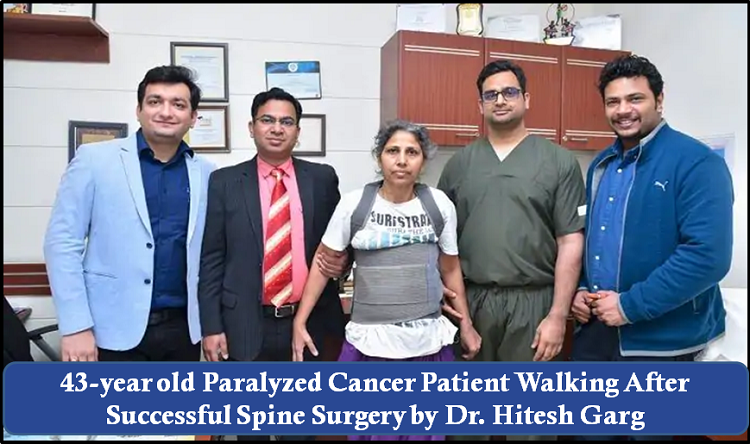
43-year old Paralyzed Cancer Patients Walking After Successful Spine Surgery – Dr. Hitesh Garg

After being paralyzed from the waist down, the patient walks again. Here is a story of a brave woman who first fought against her breast cancer, 43 years old Mrs. Vaijanti. There are few things and few moments in life that make an indelible mark on us. One such unforgettable event is when your doctor diagnosing cancer, a disease that many individuals and families are bravely fighting in and day out. She was diagnosed with 3rd stage breast carcinoma due to which she went through breast surgery, followed by 16 rounds of chemotherapy which was the toughest part, but the disease did not stop here and it’s also started spreading and affecting other parts of the body.

Successful Spine Surgery by Dr. Hitesh Garg

About a couple of months ago, she was completely paralyzed below the abdomen which was caused due to the fracture in her spine which restricted movement in her legs. She was bedridden that made her and her family in tribulation as it was very difficult to take care of her routine hygiene check-ups and cussed bedsores between her buttocks. The family consulted Dr. Hitesh Garg spine surgeon in Artemis Hospital Gurgaon as the patient’s condition was worsening, where the doctor and his team case and recommended surgery.

“Though according to the surgeon to improve her condition surgery was the only option left, but was very risky was cancer her cancer had spread to multiple organs, which made her cases more complicated. The family was informed further surgery could cause more complications as her body was paralyzed after a couple of months so it was difficult to judge how much spinal cord was alive” explained Dr. Hitesh Garg, the best spine surgeon in India. A fighter like Mrs. Vaijanti is an idol for other cancer patients the way she fought her cancer without losing hope and did not give up. Her fighting spirit attitude will set an example for many fighting this disease.

Patient Mrs. Vaijanti never dies spirit and positive attitude towards her life said, “My fight with the dreaded disease cancer has been long as 3 years, where my spine fractured making me paralyzed but still I couldn’t break fighting spirit and willpower to live. Even though the surgeon had informed us before the surgery that the success rate was very deemed even then I wanted to face it. But my family’s immense support, my will power and the medical provided by the staff of Artemis Hospital finally made me walk. When I met with Dr. Hitesh Garg spine surgeon in Artemis Hospital Gurgaon, I told him that I was willing to do whatever he recommended helping my walk again, I really felt like surgery was the answer by greatly improving my condition. I had my surgery and spent three days few days at Artemis Hospital Gurgaon. Everyone was amazing and answered all of my questions, the staff helped me manage my pain and made sure I was comfortable during my recovery process. Dr. Hitesh Garg who performed my surgery stopped by to see me make sure I was comfortable and all was going well. After my procedure, I had to spend a week in a rehabilitation facility to help regain my strength and range of motion, now I was ready to get my life back!” To know more check https://www.india.com/lifestyle/completely-paralyzed-cancer-patient-walks-after-spine-surgery-3941948/   

“The operation was performed on the patient on 26th December and within a week she was able to stand on her feet, Mrs. Vaijanti recovery has been remarkable as after two weeks of her surgery she came to the OPD walking on her own which was a great surprise to us. She is truly an inspiration for all patients fighting cancer,” concluded Dr. Hitesh Garg.

A Study In India Reveles Poor Bone Health Affected By The Increasing Air Pollution

If you live in cities like Delhi or Hyderabad, then there are chances that you could be affected by bad air pollution. A study in India led by Barcelona institute form Global Health an institution supported by ‘la Caixa’ has recently established the link that tells about the finding of the publication in Jama Network Open, which is a general medical journal from Jama Network.

A study conducted on 3,700 people living on 28 villages outside the city of Hyderabad has shown exposure to air pollution and poor bone health are strongly associated with each other.

Delhi is at a higher risk or anywhere in north India is just polluted with bad air that affects your health. From different cancer to respiratory diseases to skin-allergies, there are lots of consequences about breathing toxic air. Bone health is at a greater cause, and it apparently worsens bone, and the polluted air we breathe causes inflammation.

Osteoporosis is one such condition affected by pollution, in which bones become weaker and more likely to break. This condition takes place due to harmful air pollution. People living in a location like Delhi that has higher concentrations of small particulate matter in the air are more likely to be admitted to a hospital for bone-related diseases.

A model was used to demonstrate the study that was worked by the authors to estimate the outdoor exposure of air pollution of fine particulate matter and black carbon. The author linked the information with bone health assessed using a special type of radiography called a dual-energy x-ray absorptiometry that measures the bone density, bone mass at the lumbar spine and the left hip.

The results of the conducted study of the exposure to air pollution showed the fine particles that lower the level of bone mass. Bones become weak, very susceptible and brittle to fractures. Back pain, a bent-over posture, also changes that affect the original spine posture.

Dr. Ram Chaddha is a top orthopedic and the best spine surgeon in India. He is experienced in complex spine instrumentation procedure including deformities and revision spine surgery. His study in spine functioning and deformities can be a point of view that can help the conclusion for the study. The increasing pollution in cities and the amount of bone damage is causing people to weaken the bone density, many people visit the doctor with the bone pain and he has examined people with different deformities caused by the increasing pollution.

Dr. Ram Chadda after referring the link https://www.healthshots.com/health-news/turns-out-exposure-to-air-pollution-can-also-be-damning-for-your-bone-health/ made his statements for the spreading pollution in Delhi and Hyderabad, he found the article worthy of discussion.

Dr. Ram Chaddha said, “ Inhalation of polluting particles can be dangerous, and it could lead to bone mass loss, the increasing air pollution causes the oxidative stress and inflammation.” He further continued, “the study has contributed to the inconclusive literature on air pollution and bone health. The different diseases lead to a deformity that hampers the person’s quality of bone. Globally air pollution is responsible for a substantial burden of the diseases and it is expected to increase due to aging of the pollution.”

The findings add to a growing body of evidence that indicates air pollution is relevant for bone health across a wide range of pollution levels, including the levels found in countries of high and low income. The study could help people to safer themselves with the harmful air that can harm not only the bones but it can even lead to other diseases.

What does the study really mean for Indians?

For us, these fine particles are considered to be the culprit for our bones. It becomes imperative to protect ourselves when PM ranges for 2.5 menaces. When air quality is severe, staying indoor, wearing an anti-pollution mask, and relying on air purifiers are our best bets. Dr. Ram Chaddha, the best spine surgeon in India, is suggesting the preventive measures for bone health. Air pollution may lessen or may increase in the future but taking care of yourself is a safer option than making hospital your second home for treatment.

For the more detailed illustration follow the link provided that will benefit you to have precautions for spreading harmful pollution. Prepare yourself for the survival life from the polluted cities.

For quick inquiry send your query to: enquiry@neurospinehospital.com

We have a prompt reply system, Fill Our Free Consultation Form and we will get back to you within 24 hours.

For a consultation, You can Call or Whats-app on: +91-9325887033.