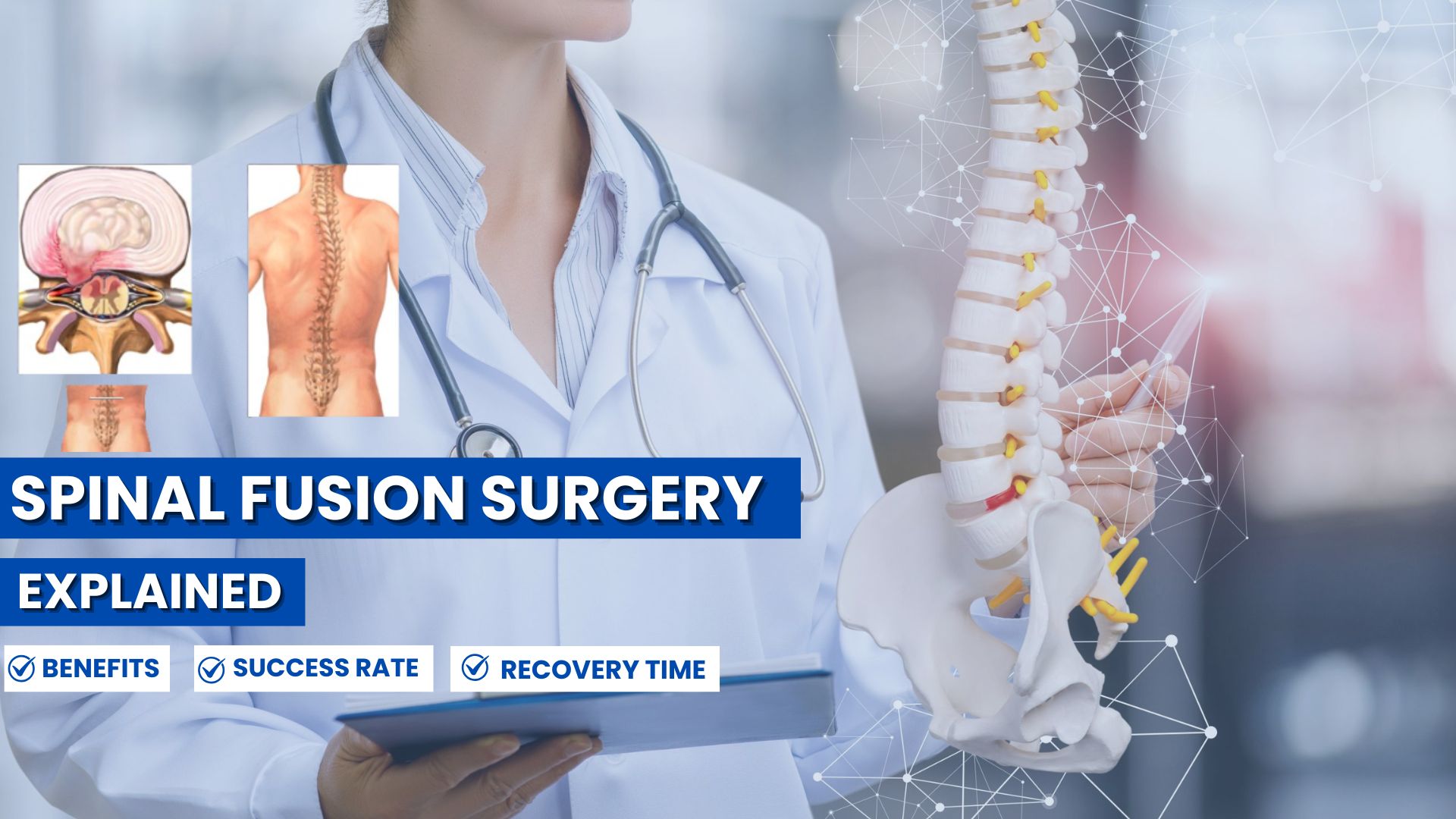
What Is Spinal Fusion Surgery?
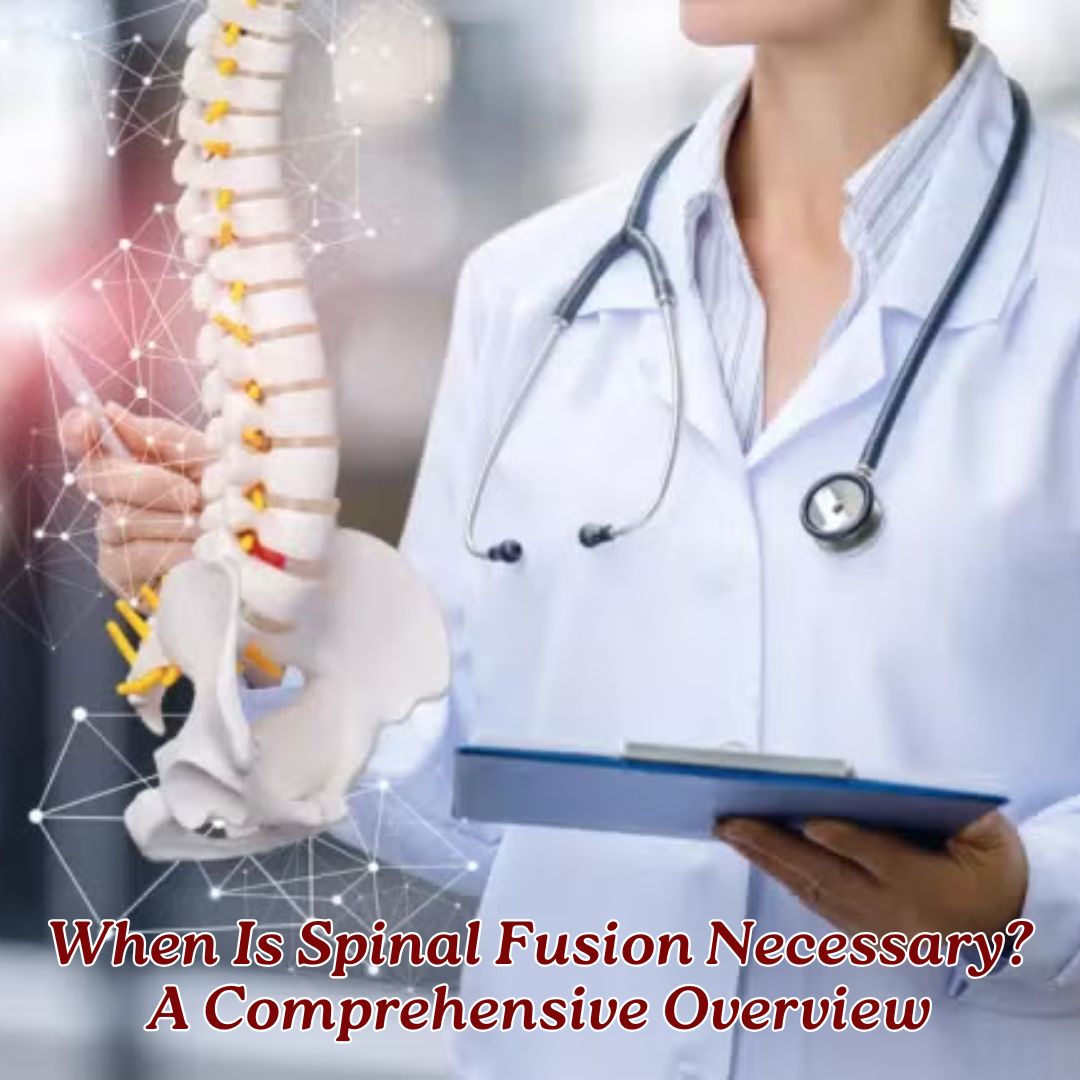
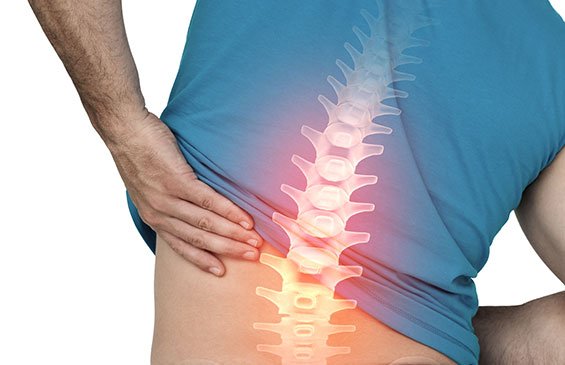
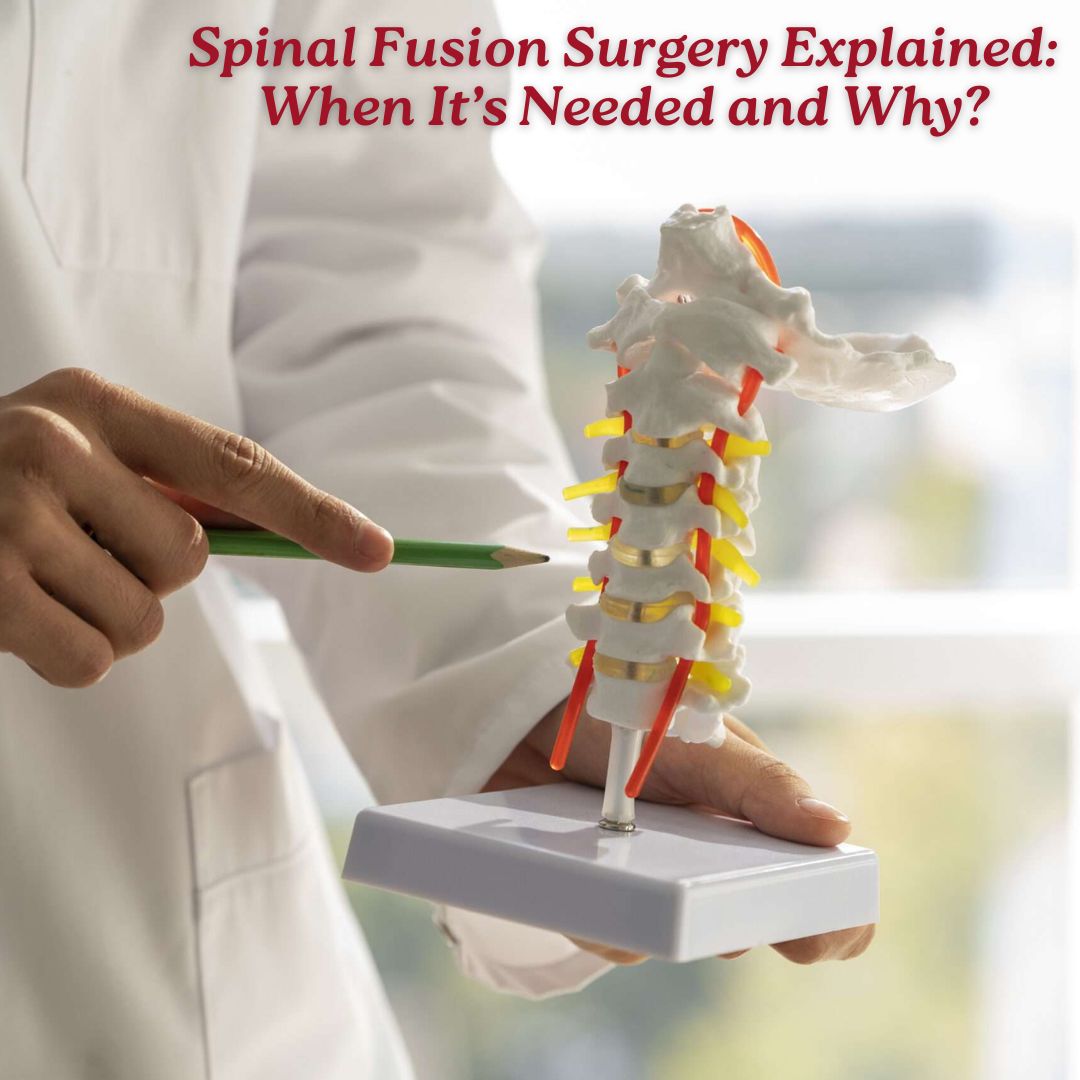
Spinal fusion surgery is a medical procedure designed to join two or more vertebrae in the spine, creating a single, solid bone structure. This operation is typically performed to alleviate pain caused by conditions such as degenerative disc disease, spinal instability, or deformities like scoliosis.
By fusing the vertebrae, the surgery aims to stabilize the spine, reduce movement between the affected bones, and ultimately improve the patient’s quality of life. The procedure may involve the use of bone grafts, metal rods, or screws to support the fusion process and ensure proper alignment during recovery.
Conditions Treated with Spinal Fusion Surgery
As of 2026, conditions commonly treated with spinal fusion include:
Degenerative Disc Disease: Wear-and-tear of spinal discs that causes chronic pain and loss of cushioning.
Spondylolisthesis: A condition where one vertebra slips forward over the one below it, causing instability.
Spinal Stenosis: Narrowing of the spinal canal that puts pressure on nerves and the spinal cord.
Scoliosis & Kyphosis: Abnormal curvatures of the spine (sideways or forward) that require correction for alignment.
Spinal Fractures: Broken vertebrae caused by trauma or osteoporosis that make the spine unstable.
Herniated Discs: Cases where disc material compresses nerves and persists after other treatments.
Spinal Tumors or Infections: Diseases that weaken the bone and compromise the spine’s structural integrity.
Spinal Instability: Excessive motion between vertebrae, often due to severe arthritis or previous surgeries.
When Is Spinal Fusion Surgery Recommended?
Spinal fusion surgery is typically recommended for patients experiencing severe and persistent back pain or instability that has not responded to conservative treatment options, such as physical therapy, medication, or injections.
This surgical procedure is often indicated in cases of degenerative disc disease, spinal deformities like scoliosis, or conditions that result in nerve compression, such as herniated discs or spinal stenosis. Additionally, spinal fusion may be considered for individuals with spinal fractures or tumors that compromise the structural integrity of the spine.
The decision to proceed with surgery is usually made after a thorough evaluation, including imaging studies and a comprehensive assessment of the patient’s overall health, functional limitations, and specific symptoms.
Types of Spinal Fusion Surgery
1. By Surgical Approach
Anterior Approach: Accesses the spine from the front (e.g., through the neck or abdomen).
Posterior Approach: Accesses the spine from the back, moving muscles aside to reach the vertebrae.
Lateral Approach: Accesses the spine from the side of the body, often through the flank or waist.
Oblique Approach: Reaches the spine at an angle between the front and the side.
2. Common Procedure Types (2026)
ACDF (Anterior Cervical Discectomy & Fusion): Performed on the neck (cervical spine) from the front.
ALIF (Anterior Lumbar Interbody Fusion): Performed on the lower back through the abdomen.
PLIF (Posterior Lumbar Interbody Fusion): The spine is accessed from the middle of the lower back.
TLIF (Transforaminal Lumbar Interbody Fusion): A variation of the posterior approach that accesses the disc from the side of the spinal canal.
LLIF/XLIF (Lateral Lumbar Interbody Fusion): Reaches the lower back from the side, minimizing muscle trauma.
360-Degree Fusion: A combination of both anterior and posterior approaches for maximum stability.
3. By Method
Traditional Open Surgery: Uses a larger incision for a direct view of the spine.
Minimally Invasive (MIS): Uses smaller incisions, specialized tools, and advanced imaging to reduce recovery time and muscle damage.
Benefits of Spinal Fusion Surgery
Spinal fusion surgery offers numerous advantages for individuals suffering from chronic back pain or spinal instability. This surgical procedure aims to permanently connect two or more vertebrae, thereby eliminating motion at the painful segment of the spine.
One of the primary benefits is the significant reduction in pain, as the fusion stabilizes the spine and alleviates pressure on surrounding nerves. Patients often experience improved mobility and functionality, allowing them to return to daily activities with greater ease.
Additionally, spinal fusion can correct deformities, such as scoliosis, and enhance overall spinal alignment, which contributes to better posture and reduced strain on the back. Furthermore, the procedure can prevent further degeneration of the spine, potentially reducing the need for future surgeries.
Success Rate of Spinal Fusion Surgery
The success rate of spinal fusion surgery is a critical factor for patients considering this procedure as a treatment for various spinal conditions, such as degenerative disc disease, spinal instability, or scoliosis. Generally, studies indicate that the success rate can range from 70% to 90%, depending on several variables, including the specific condition being treated, the patient’s overall health, and the surgical technique employed.
Success is often defined not only by the alleviation of pain but also by the restoration of function and improvement in quality of life. Additionally, advancements in surgical technology and techniques, such as minimally invasive approaches, have contributed to improved success rates and reduced recovery times.
Recovery Time and Healing Process
Spinal fusion surgery involves a significant recovery period and a complex healing process. Patients typically experience a gradual return to normal activities, with initial recovery taking several weeks. During this time, it is crucial to follow the surgeon’s post-operative instructions, which may include restrictions on movement and physical activity to promote proper healing.
Pain management and physical therapy are essential components of the recovery process, helping to restore mobility and strength. Full recovery can take several months, and ongoing follow-up appointments are necessary to monitor progress and address any complications that may arise.
Conclusion
Spinal fusion surgery can lead to improved quality of life for many patients, it is essential to consider the potential risks and complications associated with the procedure.
A thorough discussion with a healthcare provider is crucial to weigh the benefits against the possible drawbacks, ensuring that patients make informed decisions regarding their treatment options. Ultimately, spinal fusion can be an effective solution for those suffering from severe spinal issues, but careful consideration and proper post-operative care are vital for optimal outcomes.
References:-
https://my.clevelandclinic.org/health/treatments/25168-spinal-fusion