Overview
Gamma Knife radiosurgery is a highly precise, non-invasive form of stereotactic radiation therapy used primarily to treat small-to-medium brain tumors, vascular malformations, and neurological conditions like trigeminal neuralgia without making a single surgical incision. Despite its name, the procedure uses no physical knives; instead, it relies on advanced computer-guided imaging—such as an MRI or CT scan—to focus approximately 192 to 201 individual, low-dose beams of gamma radiation onto a highly specific target within the brain. While each independent beam passes harmlessly through surrounding healthy brain tissue, they converge at a single intersection point to deliver a combined, lethal dose of radiation that damages the DNA of abnormal cells, causing tumors to shrink or stabilize over time.
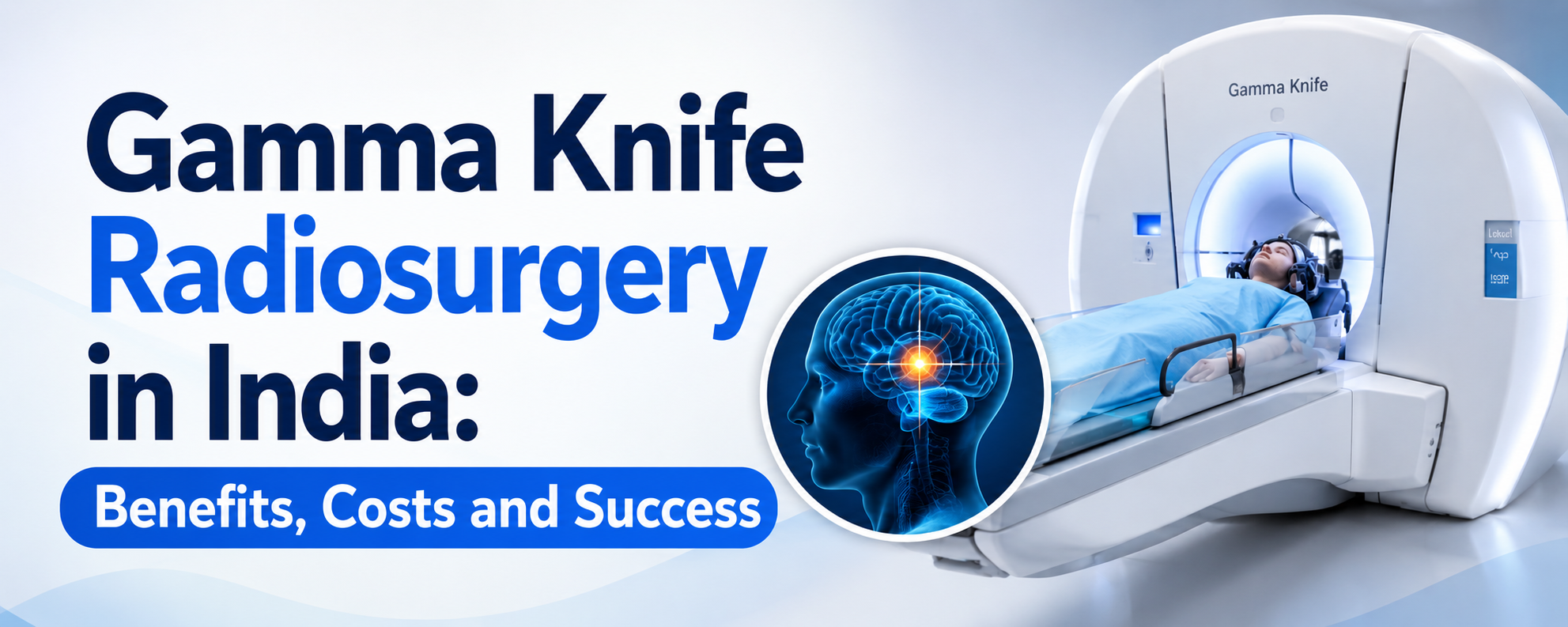
Gamma Knife Radiosurgery vs Traditional Brain Surgery: Which Treatment Is Right for You?
The decision to opt for Gamma Knife radiosurgery or conventional open brain surgery is primarily influenced by the size, location, and nature of the lesion, in addition to the overall health of the patient. Gamma Knife radiosurgery is the preferred option for small-to-medium lesions (under 3 cm) that are deep or hard to reach, whereas traditional surgery is required for large tumors causing severe brain pressure or when a physical biopsy sample is urgently needed.
| Feature | Gamma Knife Radiosurgery | Traditional Brain Surgery (Craniotomy) |
| Invasiveness | Non-invasive; zero incisions. | Invasive; skull is surgically opened. |
| Anesthesia | Local numbing for frame; mild sedation. | General anesthesia is always required. |
| Hospital Stay | Outpatient; discharged within hours. | Inpatient; requires several days in hospital. |
| Recovery Time | 1 to 2 days. | several weeks to months. |
| Primary Risks | Temporary brain swelling, mild headaches. | Infection, bleeding, neurological deficits. |
| Treatment Speed | Tumor shrinks or stabilizes over months. | Immediate physical removal of the mass. |