
Navigate This Guide12 parts · tap to open
- Part 1Why India, and Understanding Cervical Compression
- Part 2Evaluation and Selecting the Correct Levels
- Part 3ACDF versus Disc Replacement and Posterior Surgery
- Part 4How ACDF Surgery Is Performed
- Part 5Outcomes, Risks and Fusion
- Part 6Recovery, Week by Week, and Travel
- Part 7Living After ACDF and Special Situations
- Part 8Choosing an ACDF Surgeon and Hospital
- Part 9Expected Outcomes and What to Expect
- Part 10Cost, Budgeting and Quotations
- Part 11Your Journey: Records, Visa, Travel and Going Home
- Part 12Tools: Questions, Candidacy, FAQ and Checklist
Anterior Cervical Discectomy and Fusion (ACDF) is a well-established operation for cervical disc herniation, degenerative disc disease, nerve-root compression and selected forms of cervical spinal-cord compression. Through a small incision in the front of the neck, the surgeon removes the diseased disc and compressive bone/soft tissue, decompresses the neural structures and stabilizes the segment with a spacer/graft and fusion.
ACDF is most commonly used when symptoms arise from one or more disc levels in the front of the cervical spine. The decision is based on the combination of symptoms, neurological examination and imaging—not MRI findings alone.
Urgent Warning
Urgent assessment is important when a patient develops progressive arm/hand weakness, loss of hand dexterity, gait imbalance, falls, bowel/bladder neurological dysfunction or other signs of cervical myelopathy. Do not delay local care while arranging international travel: sudden worsening weakness, loss of bladder or bowel control, or neck swelling with difficulty breathing needs the nearest emergency department.
Living with neck and arm pain, numbness or a hand that no longer does what you ask of it is exhausting, and being told that surgery on the neck may be needed is frightening. This guide is written to help you understand what ACDF does, how surgeons decide which levels to treat, what the risks and the recovery really look like, and which questions to put to any surgeon before you travel. Read it alongside your scans and your own doctor's advice, and use it to ask sharper questions rather than to self-diagnose.
Short Answer: Is India a Good Option for ACDF?
For many patients with a clear diagnosis, yes. Major Indian spine centres perform ACDF routinely, with image guidance, neuromonitoring where needed and experienced anaesthesia and nursing teams, and private care is usually far cheaper than in the USA, UK, Australia or the Gulf. The real decision is not the price but the plan: which level or levels truly explain your symptoms, whether you have nerve-root or spinal-cord compression, and whether fusion, disc replacement or a posterior operation suits your anatomy. Send the actual MRI images for review, confirm that travel is safe if you have progressive weakness, and arrange follow-up imaging at home. Anyone with rapidly worsening weakness, or neck swelling with breathing difficulty, needs local emergency care first.
Quick Facts – Anterior Cervical Discectomy and Fusion (ACDF) Surgery for International Patients in India
Swipe to see the full table
| Feature | Typical planning information |
|---|---|
| Common indications | Cervical radiculopathy, disc herniation, foraminal stenosis, cervical myelopathy and selected multilevel degeneration |
| Approach | Anterior/front-of-neck |
| Main goals | Decompress nerve roots/spinal cord + restore disc height/alignment + fuse unstable/degenerated level |
| Levels | Single-level or multilevel; strategy changes as levels increase |
| Implants | Interbody cage/spacer ± plate/screws; standalone constructs in selected patients |
| Hospital stay | Often 1–3 days for uncomplicated surgery |
| International stay | Often ~7–14 days before long-haul travel, individualized |
| India planning cost | Approximately US$5,000–9,000+ for routine 1–2 level ACDF; multilevel/complex cases higher |
| Anaesthesia | General anaesthesia; a breathing tube is used and removed at the end of surgery in most patients |
| Alternatives to consider | Cervical disc replacement, posterior foraminotomy, laminoplasty or posterior decompression, and a structured non-operative programme when there is no progressive deficit |
| Records to send | Cervical MRI images (not only the report), X-rays including flexion-extension if available, CT if done, symptom timeline, neurological findings and prior treatment |
| Follow-up after return | Wound and neurological review, then X-rays at intervals set by the surgeon to confirm fusion; lifelong awareness of adjacent levels |
| Major Indian hubs | Spine programmes in Delhi NCR, Mumbai, Bengaluru, Chennai, Hyderabad, Kolkata and other major cities; confirm each surgeon's cervical-spine volume |
| Companion | Advisable, especially for the first weeks; a medical attendant visa can be arranged |
How This Guide Is Organised
- Part 1 - Why India, and understanding cervical compression
- Part 2 - Evaluation and selecting the correct levels
- Part 3 - ACDF versus disc replacement and posterior surgery
- Part 4 - How ACDF surgery is performed
- Part 5 - Outcomes, risks and fusion
- Part 6 - Recovery, week by week, and travel
- Part 7 - Living after ACDF and special situations
- Part 8 - Choosing an ACDF surgeon and hospital
- Part 9 - Expected outcomes and what to expect
- Part 10 - Cost, budgeting and quotations
- Part 11 - Your journey: records, visa, travel and going home
- Part 12 - Tools: questions, candidacy, FAQ and checklist
Why India, and Understanding Cervical Compression
Why Do International Patients Consider India for ACDF?
Patients look at India for practical reasons, and the strongest ones are about reaching an experienced spine team at a price that does not force a compromise on safety:
- Cost. Private spine surgery in India is commonly a fraction of private prices in the USA, UK, Australia and the Gulf, which matters when insurance does not cover surgery or the waiting list is long.
- Access and waiting time. Many Indian centres can review images within days and operate within a short window once the plan is agreed, which is valuable when weakness is progressing.
- Volume and experience. Large spine units perform cervical surgery regularly, often with fluoroscopy or navigation and neuromonitoring available for complex cases.
- Complete packages. Surgery, implants, imaging, hospital stay and follow-up consultations can be quoted together, with international patient coordinators to arrange visas, transfers and accommodation.
- Language. English is widely used in Indian hospitals, and interpreters for other languages can usually be arranged.
None of this means every patient should travel. India is a sensible option for a patient whose diagnosis is clear, whose neurological condition is stable and whose home team will accept the records and provide follow-up. It is not a good option for someone whose weakness is worsening quickly, who cannot safely fly, or who needs emergency surgery now.
How Does India Compare with Other Medical Travel Destinations?
Patients often compare India with Turkey, Thailand, Malaysia, Singapore or the Gulf. The honest comparison is about the whole pathway, not the price list:
Swipe to see the full table
| Factor | What India can offer | What to verify |
|---|---|---|
| Cost | Often a large saving against private care in the USA, UK, Australia and the Gulf for a routine 1–2 level ACDF. | That the quote lists the implant system, number of levels, stay and exclusions in writing. |
| Surgeon experience | Many spine surgeons treat cervical disc and myelopathy cases every week. | The named surgeon's own cervical-spine volume, not just the hospital's reputation. |
| Technology | Fluoroscopy, navigation and neuromonitoring are available in major centres. | Whether the technology is routinely used for your type of case, rather than listed for marketing. |
| Waiting time | Usually short once images have been reviewed and travel is arranged. | Whether your condition can safely wait for travel at all. |
| Follow-up | Imaging and review before you leave India. | Who reviews your X-rays at 3, 6 and 12 months at home. |
| Language and communication | English widely spoken; interpreters can be arranged. | That consent and discharge instructions are in a language you understand. |
| Travel and stay | Direct flights from many countries; accommodation near hospitals; e-Medical Visa available. | Flight time, fatigue after surgery and the length of stay you will really need. |
| Legal recourse | Hospitals follow Indian law and medical-council rules. | That you understand what happens if a complication needs treatment after you return home. |
A Fair Comparison
Travelling for ACDF is a reasonable choice for the right patient, but it is not automatically better than surgery at home. If your home country offers timely surgery with an experienced surgeon and your insurance covers it, local treatment keeps follow-up simple. Compare the whole pathway: diagnosis, surgery, recovery, travel risk, complication cover and long-term imaging, not only the price of the operation.
Understanding the Cervical Spine for International Patients in India
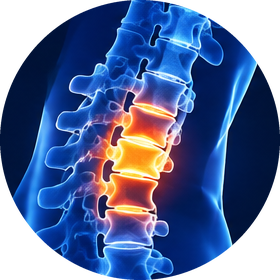
The neck contains seven vertebrae, labelled C1 to C7, with a disc cushion between most of them. The spinal cord runs through the bony canal behind the discs, and a pair of nerve roots leaves the cord at each level through small side openings called foramina. These nerves supply the shoulder, arm and hand.
With age, discs lose water and height, bone spurs (osteophytes) form and ligaments thicken. A disc can also herniate suddenly. When any of these changes narrows the canal or a foramen, the nerve root or the spinal cord itself can be squeezed. The lower neck levels, especially C5–C6 and C6–C7, move the most and are the most commonly affected.
Swipe to see the full table
| Component | Role in the neck |
|---|---|
| Vertebrae | Bony building blocks that protect the spinal cord and support the head. |
| Intervertebral disc | A shock-absorbing cushion between vertebrae; its height keeps the nerve openings wide. |
| Spinal cord | Carries signals between the brain and the body; compression causes myelopathy. |
| Nerve roots | Branch from the cord to supply the shoulder, arm and hand; compression causes radiculopathy. |
| Facet joints and ligaments | Guide movement and add stability; arthritis or thickening can narrow the canal. |
What Causes Cervical Disc and Cord Compression?
Swipe to see the full table
| Cause | What happens |
|---|---|
| Disc herniation | Disc material pushes backward or sideways into the canal or foramen, often with sudden arm pain. |
| Degenerative disc disease and spondylosis | Gradual loss of disc height with bone spurs that narrow the openings for the nerves and cord. |
| Foraminal stenosis | The nerve opening narrows, typically from spurs and a collapsed disc, producing arm symptoms. |
| Congenitally narrow canal | A smaller canal leaves less room, so modest degeneration produces cord compression earlier. |
| Ossified ligament | A ligament behind the vertebrae can thicken or turn to bone, compressing the cord; this may need a different approach. |
| Injury or instability | Trauma or slippage between vertebrae can compress neural structures and may require stabilization. |
| Previous neck surgery | Degeneration next to an earlier fusion, or a failed fusion, can cause new compression. |
What Are the Symptoms?
Symptoms depend on whether the nerve root, the spinal cord or both are involved. Nerve-root symptoms are usually felt in one arm, while cord symptoms affect the hands, balance and legs and can be subtle at first.
Swipe to see the full table
| Pattern | Typical symptoms |
|---|---|
| Nerve-root | |
| (radiculopathy) | Pain from the neck into the shoulder or arm, tingling, numbness in specific fingers and weakness of particular arm or hand muscles. |
| Spinal-cord (myelopathy) | Clumsy hands (difficulty with buttons or handwriting), unsteady walking, stiff legs, a sense of electric shocks on bending the neck, and sometimes bladder urgency. |
| Neck-related | Neck pain and stiffness, reduced movement and headaches at the back of the head. |
| Combined | Both arm symptoms and hand or walking difficulties; this pattern needs careful assessment. |
Do Not Wait
Clumsy hands, repeated tripping, a new unsteady gait, loss of grip or any change in bladder or bowel control should be assessed promptly by a spine specialist. Cord compression can progress, and lost function does not always return.
How Is Cervical Compression Diagnosed?
Swipe to see the full table
| Test | What it shows |
|---|---|
| Neurological examination | Strength, reflexes, sensation, hand function, gait and signs of cord involvement. |
| MRI of the cervical spine | Discs, spinal cord, nerve roots, foramina and ligaments; the main test for planning. |
| Standing X-rays | Alignment, disc height and degenerative change. |
| Flexion-extension X-rays | Abnormal movement or instability between vertebrae. |
| CT scan | Bone detail, ossified ligament, bone spurs and the state of a previous fusion. |
| EMG and nerve-conduction tests | Help to separate cervical radiculopathy from a trapped nerve at the wrist or elbow. |
| Bone-health assessment | Considered in older or higher-risk patients when bone quality may affect fixation. |
When Is ACDF Recommended?
ACDF is considered when symptoms and neurological findings correlate with compression visible on MRI/CT and non-operative care is unlikely to provide adequate relief or neurological protection.
Common indications
- Persistent cervical radiculopathy—arm pain, numbness or weakness—from disc/osteophyte compression.
- Progressive motor weakness from cervical nerve-root compression.
- Cervical myelopathy caused by anterior spinal-cord compression.
- Large disc herniation causing significant neural compression.
- Degenerative disc/osteophyte disease with foraminal or central canal stenosis.
- Selected cervical instability, deformity or revision conditions.
Radiculopathy vs myelopathy
Swipe to see the full table
| Feature | Cervical radiculopathy | Cervical myelopathy |
|---|---|---|
| Structure affected | Nerve root | Spinal cord |
| Typical symptoms | Arm pain, tingling, numbness, focal weakness | Hand clumsiness, gait imbalance, leg stiffness, diffuse weakness/numbness |
| Urgency | Often elective unless progressive deficit | Neurological progression can make surgery more time-sensitive |
| Goal of surgery | Relieve nerve compression | Prevent further cord injury and allow neurological recovery where possible |
When surgery is not automatically required
Many patients with uncomplicated radiculopathy improve with medicines, activity modification, physiotherapy and time. Surgery is usually considered when pain remains disabling, neurological deficit progresses, or significant cord compression/myelopathy changes the risk-benefit balance. An abnormal MRI by itself is not an indication for ACDF. The compressed level should plausibly explain the patient's symptoms and examination findings.
Treatment Options at a Glance
Swipe to see the full table
| Option | What it involves | Suits |
|---|---|---|
| Observation and activity changes | Short rest, posture and workstation changes, gradual return to activity. | Mild or improving nerve-root symptoms without weakness. |
| Medicines | Pain relievers and nerve-pain medicines as prescribed by your doctor. | Short-term relief while the nerve settles. |
| Physiotherapy | Guided exercises, posture work and gentle mobilization as advised by a specialist. | Radiculopathy without progressive deficit. |
| Image-guided injection | Targeted steroid injection near the nerve in selected cases. | Radiculopathy that has not settled; not a treatment for cord compression. |
| ACDF | Disc removal, decompression and fusion through the front of the neck. | Persistent disabling arm pain, progressive weakness or anterior cord compression. |
| Disc replacement or posterior surgery | Motion-preserving or back-of-neck alternatives. | Selected anatomy; compared in Part 3. |
Is ACDF Right for You? A Short Checklist
Swipe to see the full table
| Your situation | What it usually suggests |
|---|---|
| Arm pain and numbness for weeks, improving with treatment | Continue non-operative care and review; surgery is not urgent. |
| Disabling arm pain that has not settled after a reasonable trial of treatment | Discuss surgery; the compressed level must match your symptoms. |
| Progressive arm or hand weakness | Prompt specialist assessment; surgery is often time-sensitive. |
| Clumsy hands, unsteady walking or bladder change | Possible myelopathy; urgent specialist review before travel plans. |
| MRI shows several degenerated levels but you have only mild symptoms | MRI alone does not justify surgery; treat the level that explains the symptoms. |
| Neck pain only, with no arm or cord symptoms | ACDF is usually not the answer; look for other causes. |
Preparing Yourself Before Surgery (Prehab)
Good preparation improves safety and fusion. Discuss each point with your surgeon and anaesthetist:
- Stop smoking and nicotine. Nicotine in any form reduces the chance that the bone will fuse; ask how long before and after surgery you should be nicotine-free.
- Control medical conditions. Keep blood sugar, blood pressure and thyroid conditions well managed, and have any sleep apnoea reviewed.
- Review medicines. Tell the team about blood thinners, anti-inflammatory medicines, steroids and supplements, and stop or continue them only on medical advice.
- Look after bone health. If you are older or have risk factors, ask whether a bone-density review is needed before implants are chosen.
- Keep gently active. Walking and shoulder-blade exercises, if your surgeon allows, keep you stronger for recovery.
- Prepare your home and journey. Plan help at home, check that someone can drive you, and pack light so you do not have to lift heavy luggage.
- Prepare your records. Gather MRI images, reports, X-rays and a list of medicines and allergies.
Send your cervical MRI images (the actual image files, not only the report), standing and flexion-extension X-rays, any CT scan, a short timeline of your symptoms, a description of any arm or hand weakness, balance or walking change and any bladder or bowel symptoms, your medical conditions and medicines, whether you smoke or use nicotine, and any previous neck surgery. You will receive a preliminary opinion covering whether ACDF is appropriate, which levels are responsible, whether disc replacement or a posterior operation fits better, the likely implant plan, whether you are stable enough to travel, the expected stay in India, an itemized cost estimate and the follow-up you will need at home, so you can decide with a clear picture in hand.
Evaluation and Selecting the Correct Levels for International Patients in India
Preoperative Evaluation and Selecting the Correct Levels
Accurate level selection is critical. Fusing a level that is radiologically abnormal but clinically irrelevant exposes the patient to unnecessary loss of motion and adjacent-level stress.
Typical investigations
- MRI cervical spine for discs, spinal cord, foramina and ligamentous compression.
- Standing cervical X-rays for alignment and degeneration.
- Flexion-extension X-rays when instability is suspected.
- CT for bony anatomy, ossification or prior fusion assessment.
- EMG/nerve-conduction testing when peripheral nerve disease and cervical radiculopathy are difficult to distinguish.
- DEXA/bone-health assessment in selected older or high-risk patients.
Myelopathy imaging
Cord compression, reduced CSF space and intramedullary signal change may support the diagnosis. However, severity of MRI compression does not perfectly predict symptoms or recovery.
Single-level vs multilevel disease
A one-level ACDF generally has a high fusion probability and relatively quick recovery. With two, three or more levels, surgeons must consider alignment, fusion biology, swallowing risk, pseudarthrosis and whether a posterior or combined approach is more appropriate.
When ACDF may not be the best operation
- Predominantly posterior compression across multiple levels.
- Severe multilevel stenosis with favorable lordosis where laminoplasty/laminectomy-based strategies may be preferable.
- A young patient with suitable single-level disease who may be a candidate for cervical disc replacement.
- Marked osteoporosis or other factors requiring a modified fixation strategy.
- Symptoms arising from shoulder, peripheral nerve or non-spinal disease.
For international patients, send the actual MRI images—not only the radiology report. Surgical approach and level selection often require direct image review.
What the Assessment Looks Like for an International Patient
Most overseas patients are assessed in two steps, a remote review and an in-person examination on arrival. Knowing the sequence helps you prepare:
Swipe to see the full table
| Step | What happens and what you can expect |
|---|---|
| 1. Remote image review | You send MRI image files, X-rays and a symptom summary. The surgeon reviews the images directly and tells you whether ACDF seems appropriate, which levels may be involved and what else is needed. |
| 2. Preliminary opinion | A written opinion covers the likely operation, alternatives, the expected stay and an itemized estimate. It is a plan to test, not a final decision. |
| 3. Examination on arrival | The surgeon examines strength, reflexes, sensation, hand function and walking, and compares the findings with the images. |
| 4. Repeat or extra tests | Repeat X-rays, flexion-extension views, a CT or an updated MRI may be requested if the images are old or the picture has changed. |
| 5. Anaesthesia assessment | Blood tests, ECG and a review of medical conditions, medicines and previous anaesthetics. |
| 6. Final level-by-level plan | The surgeon confirms which discs will be treated, why, the implant plan and the consent discussion before the date is fixed. |
Medical Fitness Checks Before Anaesthesia
- Blood tests, including blood count, kidney function and blood sugar.
- ECG and, when indicated, a chest X-ray or heart review.
- A review of blood thinners, diabetes medicines, steroids and anti-inflammatory medicines.
- Screening for sleep apnoea, because neck swelling and anaesthesia both affect the airway.
- A note of any difficulty swallowing, voice change or previous neck or thyroid surgery.
- For a revision or previous neck operation, some surgeons check vocal-cord movement before surgery, because the nerve to the voice box can be affected on either side.
Tip
If your MRI is more than a few months old, or your symptoms have changed since it was done, expect the surgeon to ask for a fresh scan. Level selection depends on current anatomy, so a repeat scan is a reasonable request rather than an unnecessary cost.
ACDF versus Disc Replacement and Posterior Surgery for International Patients in India
ACDF vs Cervical Disc Replacement and Posterior Surgery
Several operations can treat cervical nerve/spinal-cord compression. The best choice depends on anatomy, number of levels, motion, alignment, facet health and instability.
Swipe to see the full table
| Option | Strengths | Limitations / typical exclusions |
|---|---|---|
| ACDF | Direct anterior decompression; reliable stabilization; broad indications | Fuses motion segment; pseudarthrosis/adjacent-segment issues can occur |
| Cervical disc replacement | Preserves motion; may reduce stress at adjacent levels | Not suitable for severe facet arthritis, instability, marked deformity or some multilevel disease |
| Posterior cervical foraminotomy | Motion-preserving option for selected unilateral foraminal radiculopathy | Does not address all central/anterior compression; may not suit instability |
| Laminoplasty /posterior decompression | Useful for selected multilevel myelopathy | Depends on cervical alignment and compression pattern; different muscle/neck-pain profile |
Why fusion is sometimes preferable
If the disc space is collapsed, osteophytes are extensive, instability exists or significant deformity requires correction, fusion can provide predictable decompression and stabilization.
Hybrid surgery
In selected multilevel cases, one level may be fused while another receives a disc replacement. This is anatomy-dependent and not automatically superior to a well-planned multilevel ACDF.
Second opinion questions
- Which level is causing each symptom?
- Is there spinal-cord compression or only nerve-root compression?
- Why fusion rather than disc replacement?
- Could a posterior approach avoid fusion?
- What happens if surgery is delayed?
Procedure selection should be diagnosis-driven, not technology-driven. A motion-preserving implant is useful only when the patient's anatomy is suitable for it.
Which Operation Fits Which Problem?
This table shows the usual reasoning surgeons use. Your surgeon's recommendation, based on your own images, always takes priority:
Swipe to see the full table
| Pattern on imaging and examination | Operation often considered | Why |
|---|---|---|
| One or two levels of front-of-cord or nerve-root compression with a collapsed disc | ACDF | Direct decompression with stabilization of the degenerated level. |
| Single-level soft disc herniation in a younger patient with healthy facets and good alignment | Disc replacement or ACDF | Motion can be preserved if anatomy is suitable; fusion is a reliable alternative. |
| Nerve-root compression from the side opening only, with no instability | Posterior foraminotomy | Decompresses the nerve without a fusion in selected cases. |
| Several levels of cord compression with preserved neck curve | Laminoplasty or posterior decompression | Decompresses many levels from behind without multilevel fusion. |
| Multilevel compression with kyphosis or instability | Combined or posterior fusion | Alignment and stability need to be restored as well as decompression. |
| Ossified ligament behind the vertebrae | Individualized strategy | The approach depends on the extent of ossification and the neck alignment. |
Remember
A new or expensive implant is not a reason to choose an operation. Ask the surgeon to explain, in plain words and using your own images, why the proposed operation suits your anatomy better than the alternatives.
How ACDF Surgery Is Performed for International Patients in India
How ACDF Surgery Is Performed for International Patients in India
ACDF is performed under general anaesthesia. The patient lies on the back, and fluoroscopy/navigation may be used to confirm the correct level.
Step-by-step
- A small transverse or oblique incision is made in the front/side of the neck.
- The surgeon gently works between natural tissue planes to reach the cervical spine, moving the trachea/esophagus medially and carotid sheath laterally.
- The correct disc level is confirmed with imaging.
- The diseased disc is removed and the disc space is prepared.
- Posterior osteophytes/disc fragments and, when required, posterior longitudinal ligament are removed to decompress the cord/nerve roots.
- The neural foramina are decompressed as needed.
- An interbody cage/spacer containing graft material is placed to restore disc height and promote fusion.
- A plate and screws may be added; selected cases use a standalone integrated cage.
- Final imaging confirms implant position and alignment; the incision is closed.
Bone graft and fusion materials
Fusion may use local autograft, allograft, synthetic bone substitutes or biologic materials according to patient risk and surgeon preference. Iliac-crest graft harvesting is much less routine than historically.
Neuromonitoring
Intraoperative neurophysiological monitoring may be used in myelopathy, multilevel or complex cases. It supplements—not replaces—careful surgical technique.
Plate vs standalone cage
A plate can improve construct stability in selected cases, especially multilevel surgery. Standalone/zero-profile devices may reduce anterior implant prominence and can be useful in selected patients. Neither design is best for every case. The decompression is the neurological part of ACDF; the cage/graft and fixation are the reconstruction that maintains alignment while fusion develops.
Surgery Day: What You Will Experience, Step by Step
Swipe to see the full table
| Stage | What happens and what you can expect |
|---|---|
| Before surgery | You fast as instructed, change into a gown and meet the surgeon and anaesthetist. The neck level is checked against your images and consent is confirmed. |
| Anaesthesia | You go to sleep with general anaesthesia. A breathing tube is placed and monitoring lines are set up. Some patients have nerve monitoring leads applied. |
| In the operating room | The surgeon works through the small neck incision, removes the disc, decompresses the nerves or cord and places the implant. The time depends on the number of levels and the complexity. |
| Waking up | The breathing tube is removed and you wake in the recovery area. A sore throat, hoarse voice and a tight feeling in the neck are common at first. |
| First hours | The team checks your arms and legs, voice, swallowing, breathing and the neck wound. You are usually propped up, with a drain in some cases. |
| Day 0–1 | You sit up, drink and start walking with help, and pain is controlled with medicines. A collar is used only if your surgeon has planned it. |
| Discharge | Once you are walking, eating and drinking comfortably and the team is happy with your neurological examination, you are discharged with wound, medicine and activity instructions. |
Implant Materials and Surgical Technique: What to Ask
Cages are commonly made of polymer or titanium, and plates and screws of titanium. Choice depends on bone quality, the number of levels and surgeon preference. Ask which device is planned, whether it is MRI-compatible, and whether the implant card will be given to you before you leave. Technique and decompression matter more than the brand name.
Outcomes, Risks and Fusion
Outcomes, Risks and Fusion
Most appropriately selected patients obtain substantial improvement in arm pain. Weakness and numbness can recover more slowly and may be incomplete if a nerve has been severely compressed for a long time. In myelopathy, the primary goal is often to stop neurological deterioration; recovery varies.
Important risks
- Temporary swallowing difficulty (dysphagia), especially after multilevel surgery.
- Hoarseness/recurrent laryngeal nerve irritation.
- Hematoma in the neck; rarely this can threaten the airway and requires urgent treatment.
- Dural tear/CSF leak—uncommon.
- Nerve-root or spinal-cord injury—rare but potentially serious.
- Infection.
- Implant migration/failure—uncommon with appropriate fixation.
- Non-union/pseudarthrosis.
- Adjacent-segment degeneration/disease over time.
- Esophageal or vascular injury—rare.
Fusion and pseudarthrosis
Bone must bridge the operated level over months. Smoking/nicotine, poor bone health, diabetes, multilevel fusion and other factors can increase non-union risk. A painless fibrous non-union may not always require revision, but symptomatic pseudarthrosis can cause neck pain, hardware stress or recurrent symptoms.
Adjacent-segment disease
Degeneration above or below a fusion can develop with time. Some of this reflects natural aging; fusion can also alter biomechanics. Only a minority of radiographic adjacent-level changes become symptomatic enough to require surgery.
C5 palsy and other neurological issues
C5 weakness is more commonly discussed after posterior cervical decompression but can occur after anterior decompression as well. New neurological deficits after surgery require prompt assessment. Pre-existing spinal-cord injury may not completely reverse after decompression. Earlier treatment of progressive myelopathy can improve the chance of preserving function.
What Could Go Wrong, and How Likely Is It?
No honest surgeon promises a risk-free operation. This table explains each risk in plain words. Your surgeon can tell you how the risks apply to your own age, number of levels and medical history:
Swipe to see the full table
| Risk | What it means | How it is handled |
|---|---|---|
| Swallowing difficulty | A scratchy or tight feeling when eating, most often in the first weeks; more likely after several levels. | Soft foods and small bites; usually settles gradually; persistent difficulty needs review. |
| Hoarse or weak voice | Irritation of the nerve to the voice box or swelling from the breathing tube. | Rest your voice; most cases improve; persistent change needs a vocal-cord check. |
| Neck haematoma | Bleeding in the neck that can press on the airway; rare and most likely in the first day. | Emergency opening of the wound; this is why neck swelling with breathing difficulty is an emergency. |
| CSF leak | A small tear in the lining of the spinal cord; uncommon. | Often managed with repair at surgery and a period of rest. |
| Nerve or cord injury | New weakness or numbness after surgery; rare but serious. | Prompt examination and imaging; neuromonitoring may be used in higher-risk cases. |
| Infection | Wound or deeper infection; uncommon. | Antibiotics, wound care and, rarely, further surgery. |
| Implant problems | A cage or plate that moves or loosens; uncommon with good fixation. | Imaging follow-up; revision if symptomatic. |
| Non-union | ||
| (pseudarthrosis) | The bone does not fully bridge across the operated level. | Observation if painless; revision if symptoms or hardware stress develop. |
| Adjacent-segment disease | New degeneration at a neighbouring level over years. | Monitoring and, in a minority, further treatment. |
| Anaesthetic and general risks | Chest infection, blood clots, heart or kidney problems, drug reactions. | Pre-operative fitness checks, early walking and clot-prevention measures. |
Warning Signs After ACDF and What to Do
Swipe to see the full table
| What you notice | What it may mean | What to do |
|---|---|---|
| Rapid neck swelling, tightness or difficulty breathing | Neck haematoma pressing on the airway | Emergency: go to the nearest emergency department at once. |
| Increasing difficulty swallowing or inability to handle saliva | Swelling, haematoma or nerve irritation | Urgent medical review the same day. |
| New or worsening arm or leg weakness, loss of balance or bladder/bowel change | Neurological compromise | Urgent review; contact your surgeon and emergency services. |
| Fever, redness, wound discharge or severe increasing pain | Wound infection | Contact your surgical team within hours. |
| Clear fluid leaking from the wound or severe positional headache | CSF leak | Contact your surgeon promptly. |
| Calf pain or swelling, chest pain or sudden breathlessness | Blood clot | Emergency care. |
Red Flags
Rapid neck swelling, breathing difficulty, new weakness or loss of bladder or bowel control after ACDF are emergencies. Do not wait for an email reply from the hospital abroad; go to the nearest emergency department and show them your discharge summary.
What You Can Do to Reduce Your Risk
- Stay nicotine-free before surgery and throughout fusion healing.
- Keep diabetes and blood pressure well controlled.
- Follow instructions on collar use, lifting and neck positions exactly.
- Walk regularly and drink enough fluids, especially after the flight home.
- Attend every follow-up and X-ray appointment.
- Report new symptoms early rather than waiting to see whether they pass.
Recovery, Week by Week, and Travel
Recovery, Return to Work and Travel for International Patients in India
Recovery varies with number of levels, neurological status, age and occupation.
Swipe to see the full table
| Time | Typical recovery milestone |
|---|---|
| Day 0–1 | Walking begins; swallowing/voice and neurological status monitored. |
| Days 1–3 | Many uncomplicated patients leave hospital. |
| Week 1–2 | Walking and light daily activity; wound review; many international patients become fit for travel. |
| Weeks 2–6 | Progressive activity; desk work may resume earlier than heavy physical work. |
| 6–12 weeks | Fusion maturation continues; activity restrictions are adjusted after clinical/imaging review. |
| Months | Bone fusion continues; neurological recovery can continue for many months. |
Cervical collar
Some surgeons use a collar routinely; others use it selectively depending on construct, bone quality and number of levels. The patient should follow the operating surgeon's protocol rather than assuming a collar is mandatory.
Return to work
- Desk/remote work: often about 1–3 weeks if pain and swallowing permit.
- Light physical work: commonly several weeks.
- Heavy lifting/manual work: usually later, after evidence of healing and surgeon clearance.
- Driving: only when off impairing medication, neck movement is safe and reaction ability is normal.
International travel
For uncomplicated 1–2 level ACDF, a practical India stay is often 7–14 days. Multilevel surgery, myelopathy, swallowing problems or complications may require longer. During long flights, walk periodically and follow thrombosis-prevention advice.
Red flags after discharge
- Rapid neck swelling or breathing difficulty.
- Progressive swallowing difficulty or inability to handle secretions.
- New/progressive arm or leg weakness.
- Fever, wound drainage or severe increasing pain.
- New gait or bladder/bowel neurological symptoms.
Rapid neck swelling with breathing difficulty after ACDF is an emergency because a postoperative hematoma can compromise the airway.
Recovery Week by Week
Swipe to see the full table
| When | What usually happens and what to watch for |
|---|---|
| Day of surgery and day 1 | You wake with a sore throat and a tight neck. The team checks your arms, legs, voice and swallowing. You start sipping fluids, sit up and take your first short walk with help. |
| Days 2–3 | Pain is controlled with tablets. Swallowing is tested with soft foods, the wound is checked, and most patients with a one- or two-level operation are discharged. |
| Week 1 | Short, frequent walks. Rest between activities and follow collar and positioning advice. Neck stiffness and a scratchy throat are common. Many patients have an X-ray and wound review before leaving India. |
| Week 2 | Many patients feel well enough for a short flight, subject to the surgeon's clearance. Swallowing is usually much easier and arm pain is often better. |
| Weeks 3–6 | Desk work may resume if comfortable. The wound softens and fades. Continue walking and avoid lifting, pulling, twisting and high-impact activity until cleared. |
| Weeks 6–12 | Fusion continues to mature. Physiotherapy may begin for neck and shoulder strength. Your surgeon reviews X-rays and relaxes restrictions step by step. |
| Months 3–6 | Return to most normal activity. Numbness or weakness may keep improving slowly. Fusion progress is confirmed on imaging. |
| Months 6–12 | Bone continues to solidify. Long-term activity advice is given, and follow-up becomes less frequent. |
Practical Questions Patients Ask After the Operation
Swipe to see the full table
| Question | What patients are usually told |
|---|---|
| How should I sleep? | On your back with a supportive pillow that keeps your neck neutral; avoid sleeping face down or with the neck twisted. Follow your surgeon's instructions. |
| When can I shower? | As instructed by your surgeon, usually with the wound covered or once it is sealed. Do not soak the wound in a bath or pool until cleared. |
| What can I eat? | Soft, moist foods in small bites while swallowing is sore, then a normal diet as it settles. Drink plenty of fluids. |
| How long will pain medicines be needed? | Often a few weeks, tapering as the pain settles. Take them as prescribed and report severe or increasing pain. |
| Do I need to do exercises? | Short walks from day one. Neck and shoulder exercises are added when your surgeon or physiotherapist says so. |
| When can I drive? | When you are off sedating medicines, can turn your head safely and can react quickly; ask your surgeon. |
| Can I lift my children, shopping or luggage? | Avoid lifting beyond the limit your surgeon sets, usually light weights only for the first weeks. |
| Is a numb or tingling hand normal? | Numbness can improve slowly over weeks to months. New or worsening weakness is not normal and needs review. |
| Why is my throat sore or my voice hoarse? | Swelling from the breathing tube and surgery. It usually improves over days to weeks; tell the team if it persists. |
| When can I return to the gym or sport? | Only after the surgeon confirms healing, often after the early fusion period; start gradually. |
Travel Practicalities After ACDF
Swipe to see the full table
| Topic | What to know |
|---|---|
| Medical clearance | Ask for a written fit-to-fly letter that states the operation, the date, the implant and that you are medically fit to travel. |
| Seating and movement | Choose an aisle seat if possible, walk every hour or two and avoid sleeping with your neck in an awkward position. |
| Blood-clot prevention | Walk, flex your ankles, drink water and ask whether compression stockings or other measures are advised. |
| Luggage | Use wheeled bags, ask for help lifting luggage into the overhead locker and avoid carrying heavy bags on one shoulder. |
| Airport assistance | Request wheelchair or buggy assistance and fast-track if you tire easily. |
| Security checks | Carry your implant card and operative summary; spinal implants may occasionally trigger a metal detector. |
| Medicines | Carry enough of your prescribed medicines in your hand luggage, with the prescriptions and generic names. |
| Records | Carry the discharge summary, the operation note, the implant details and the digital images on a drive or in the cloud. |
| Insurance | Check whether your travel insurance covers complications and emergency treatment after surgery. |
Living After ACDF and Special Situations
Living After ACDF at a Glance
Swipe to see the full table
| Topic | What to expect |
|---|---|
| Neck movement | Most patients have little functional loss after one or two levels; very full movement may feel slightly limited. |
| Arm pain | Often improves early and then continues to settle. |
| Numbness and weakness | Can recover slowly over months and may be incomplete after long-standing compression. |
| Physical activity | Walking, swimming and gentle strengthening are encouraged; contact sports and heavy lifting depend on the surgeon's advice. |
| Work | Desk work resumes earlier; heavy manual work may need modified duties or a longer break. |
| Imaging follow-up | X-rays at times set by the surgeon, usually in the first year, to confirm fusion. |
| MRI and implants | Modern implants are generally MRI-compatible or conditional; always give the imaging centre your implant details. |
| Long-term watchfulness | Report new neck pain, arm symptoms or hand changes early, because adjacent levels can change with time. |
Emotional Wellbeing and Realistic Expectations
Recovering from neck surgery abroad can feel isolating. It is normal to feel tired, anxious about the neck or frustrated by restrictions in the first weeks. Many people find that arm pain relief arrives quickly while numbness lags behind, and this can feel discouraging. Having a companion, keeping in touch with family and breaking the day into small walks and rest periods all help. If low mood or worry persists, speak to your doctor at home.
Special Situations
Cervical myelopathy
If you have hand clumsiness, balance problems or leg stiffness, surgery may be time-sensitive. The aim is usually to stop progression and allow whatever recovery is possible. Travel should only be considered after your own doctor confirms that your condition is stable, and you may need a longer stay, neuromonitoring and a team used to myelopathy.
Older adults and osteoporosis
Bone quality affects how well screws and cages hold. Ask whether a bone-density review is advised, whether a different fixation strategy is needed and how fusion will be monitored.
Diabetes
Well-controlled blood sugar lowers infection and non-union risks. Bring recent results and a list of your diabetes medicines.
Smokers and nicotine users
Nicotine reduces the chance of fusion. Many surgeons ask for a nicotine-free period before and after surgery; some will test for it.
Previous cervical surgery or revision
Scar tissue changes the surgical approach, and some surgeons check vocal-cord function first. Send previous operative notes, implant details and old images, and expect a longer plan and a higher cost.
Patients taking blood thinners
Never stop a blood thinner without advice from the doctor who prescribed it. The surgeon and your doctor will agree when to pause and restart it.
Voice users and swallowing-sensitive patients
Singers, teachers and public speakers should discuss voice risks and the number of levels carefully, because temporary hoarseness and swallowing difficulty are more significant for them.
Young patients with a single-level disc problem
Ask specifically whether disc replacement or a posterior operation is suitable, and what the plan would be if fusion is chosen.
Sleep apnoea and obesity
These raise airway risk after neck surgery. Tell the anaesthetist, bring your CPAP machine if you use one and expect closer observation after surgery.
Choosing an ACDF Surgeon and Hospital for International Patients in India
Choosing an ACDF Surgeon and Hospital in India
For routine ACDF, surgeon experience and accurate diagnosis matter more than a specific brand of cage. Complex myelopathy, deformity or revision cases benefit from centres with advanced spine imaging, neuromonitoring and multidisciplinary neurological support.
Questions to ask the surgeon
- Which level is responsible for my symptoms?
- Do I have radiculopathy, myelopathy or both?
- Why do you recommend ACDF rather than disc replacement/posterior surgery?
- How many levels need treatment?
- Will you use a standalone cage or plate-and-cage construct, and why?
- What graft material will be used?
- What is my individual pseudarthrosis risk?
- How likely is swallowing difficulty with this number of levels?
- When can I fly and return to work?
- What follow-up imaging is required after I return home?
More questions worth asking
- How many cervical operations like mine do you perform each year, and who will be in the operating room with you?
- Will neuromonitoring be used for my case, and is it included in the quote?
- What happens if I develop a neck haematoma, a swallowing problem or a new weakness while I am still in India or after I return home?
- Who will review my X-rays and answer my questions after I return home, and how can I contact you?
What a Good International Patient Service Should Provide
- A named surgeon who has reviewed your actual MRI images before quoting.
- A written, level-by-level plan with the reasons for each level and the implant proposed.
- An itemized estimate that states inclusions, exclusions and the likely stay.
- Honest advice if surgery is not needed, or if another operation suits you better.
- A clear explanation of risks and a consent form in a language you understand.
- Help with visa letters, airport pickup, accommodation and interpreters.
- A discharge pack with the operation note, implant details, images and follow-up plan.
- A way to contact the team after you return home.
Red Flags When Choosing a Centre
Red Flags
- A price offered before anyone has seen your MRI images.
- Pressure to decide quickly or to add extra levels while the surgeon is already operating.
- Recommending surgery on every abnormal level seen on MRI, without linking each level to your symptoms.
- No named surgeon, or a different surgeon at the hospital from the one who gave the opinion.
- Vague or unwritten exclusions for ICU, revision or extra days.
- Promises of a guaranteed result or of no risk.
- No plan for follow-up imaging or for complications after you leave India.
If Something Goes Wrong at Home
If you develop neck swelling, difficulty breathing, difficulty swallowing saliva, new weakness or loss of bladder or bowel control after returning home, go to the nearest emergency department. Show them your discharge summary and implant card, and then inform your surgeon in India.
Expected Outcomes and What to Expect
Around ACDF: What to Expect
Swipe to see the full table
| Aspect | What is realistic |
|---|---|
| Arm pain | Substantial relief is common in appropriately selected patients, often early in recovery. |
| Numbness | Can improve slowly and may not resolve completely if compression was long-standing. |
| Weakness | Often recovers more slowly than pain; severe or long-standing weakness may be incomplete. |
| Neck pain | May improve, but is less predictable than arm pain. |
| Myelopathy | The main goal is usually to stop progression; recovery varies and is better with earlier treatment. |
| Swallowing and voice | Mild difficulty is common early and usually settles; persistent problems need review. |
| Fusion | Bone bridges the operated level over months; most single-level fusions heal, with risk rising with multilevel surgery, nicotine and poor bone health. |
| Return to work | Desk work often within a few weeks; heavy work later and depending on healing. |
| Long term | Most patients do well, but adjacent levels can degenerate with time and follow-up is advised. |
Realistic Expectations
Surgery relieves compression; it does not reverse age-related changes in the rest of the neck. A good outcome means less pain, protected nerves and a stable spine, with realistic goals agreed with your surgeon before you travel.
Cost, Budgeting and Quotations for International Patients in India
ACDF Surgery Cost in India vs Other Countries
Cost varies with number of levels, implant system, navigation/monitoring, hospital category, bone graft/biologics and whether surgery is primary or revision.
Indicative India planning ranges
Swipe to see the full table
| Procedure | Approximate India planning range (USD) |
|---|---|
| Single-level ACDF | $4,500–$7,000+ |
| Two-level ACDF | $5,500–$9,000+ |
| Three-level / complex multilevel ACDF | $7,000–$12,000+ |
| Revision ACDF / combined reconstruction | Often $9,000–$16,000+ depending on complexity |
Illustrative international comparison – routine 1–2 level ACDF
Swipe to see the full table
| Country | Approx. planning range (USD) | Illustrative saving vs India midpoint* |
|---|---|---|
| India | $5,000–$9,000+ | Baseline |
| USA | $35,000–$70,000+ | ~87% |
| UK private | $20,000–$35,000+ | ~75% |
| Australia private | $22,000–$40,000+ | ~77% |
| UAE | $12,000–$22,000+ | ~59% |
| Canada private | $25,000–$45,000+ | ~80% |
| Singapore private | $20,000–$38,000+ | ~76% |
*Illustrative midpoint comparisons only—not quotations. Currency, implant choice and case complexity can materially alter final price.
What should the quote include?
- Spine surgeon and anaesthesia fees.
- Number of levels planned.
- Exact cage/plate/screw system and whether implant cost is included.
- Operating room and expected hospital stay.
- Neuromonitoring/navigation if planned.
- Routine postoperative imaging.
- Graft/biologic material.
- Clear exclusions for ICU, revision, prolonged admission or additional levels.
Cost should not determine the number of levels
A cheaper one-level operation is not appropriate if two levels truly require decompression; conversely, adding levels 'while already operating' can create unnecessary fusion burden. Level selection must remain clinical. Ask for a level-by-level surgical plan before travelling: which discs will be treated, why each is included, and what implant construct is proposed.
Budgeting for the Whole Pathway, Not Just the Operation
The hospital quote is only part of the budget. A realistic plan also includes:
- Return flights for you and a companion, ideally with flexible dates.
- Accommodation and meals during the 7–14 days or longer in India.
- Local transport, airport transfers and clinic visits.
- Medical visa fees and travel insurance that covers complications.
- Medicines, a cervical collar if used and physiotherapy after surgery.
- Repeat imaging if your images are old.
- Follow-up X-rays and consultations at home.
- A contingency for a longer stay or an unexpected extra night.
Budget Tip
Ask the hospital to show which items are in the package price and which are charged separately. A low headline price with many exclusions is not cheaper once the extras are added.
Quotation Comparison Table
Use this table to compare written quotations from two hospitals on the same terms:
Swipe to see the full table
| Item to compare | Hospital 1 | Hospital 2 |
|---|---|---|
| Surgeon named and images reviewed | ||
| Operation and number of levels | ||
| Implant system and whether included | ||
| Neuromonitoring/navigation | ||
| Surgeon and anaesthesia fees | ||
| Operating room and ward charges | ||
| Expected hospital stay (days) | ||
| Graft or biologic material | ||
| Postoperative X-rays and consultations | ||
| Exclusions (ICU, revision, extra levels, extra days) | ||
| Total price in writing |
What Should the Quotation Say About Complications?
- Who pays if a complication occurs during the same admission?
- What is charged if the stay is longer than planned?
- Whether a return to the operating room is covered, and for how long after surgery.
- What follow-up consultations and imaging are included before you leave India.
- Whether remote follow-up with the surgeon after you return home is free or charged.
Your Journey: Records, Visa, Travel and Going Home
Remote Case Review Before Travel
Send your records first and ask for a written opinion before booking any flight. A good review confirms the diagnosis, the level plan, the alternatives and whether you are stable enough to travel. If the surgeon advises a different operation or no surgery, that is useful information, not a lost sale.
Records to Gather
- Cervical MRI images (DICOM files) and report
- Standing and flexion-extension X-rays
- CT scan images, if done
- A symptom timeline and neurological findings
- EMG or nerve-conduction results, if done
- Medical conditions, allergies and current medicines
- Previous neck or spine surgery records and implant details
- Smoking or nicotine use
- Passport copy and contact details for visa letters
Your Typical International Journey
Swipe to see the full table
| Stage | What happens |
|---|---|
| Before leaving home | Send records, receive a written opinion and estimate, compare options, arrange visas and flights, and agree who will follow you up at home. |
| Arrival in India | Airport pickup, rest and a first consultation. Repeat tests and an anaesthesia assessment are arranged. |
| Day before surgery | Final consent discussion, fasting instructions and medicine review. |
| Surgery and hospital stay | Operation under general anaesthesia and a stay of about 1–3 days in most uncomplicated cases. |
| Recovery in India | Follow-up visits, wound check, X-rays and physiotherapy advice until the surgeon clears you to fly. |
| Flying home | With a fit-to-fly letter, discharge summary, implant card and images. |
| After returning home | Wound and neurological checks, X-rays at set intervals and a clear line to the surgeon for questions. |
Medical Visa and Attendant for International Patients in India
Most international patients apply for an e-Medical Visa, and a companion can apply for an e-Medical Attendant Visa. Check the current rules, fees, validity and eligible nationalities on the official Indian e-Visa website before applying, and ask the hospital for the invitation letter you need. Visa rules change, so confirm them at the time of travel.
Your Information Pack: What to Take Home
Swipe to see the full table
| Item | Why it matters |
|---|---|
| Operation note and discharge summary | Tell your doctors at home exactly what was done and at which levels. |
| Implant card with device details | Needed for MRI centres and airport security. |
| Pre- and postoperative images | Allow comparison with future scans. |
| Medicine list and instructions | Prevents duplication and mistakes. |
| Wound-care and activity instructions | Collar use, lifting limits, driving and return to work. |
| Follow-up schedule | Tells you when X-rays and reviews are due. |
| Warning-sign sheet and emergency contacts | So you and your family know what to do. |
| Fit-to-fly letter | For the airline and your insurer. |
Arranging Your Follow-Up at Home Before You Leave
Identify a surgeon, physician or physiotherapist at home who is willing to see you, review your wound, check your neurological status and request X-rays. Send them the records before you arrive and agree how they will contact your surgeon in India. This one step does more for safe recovery than almost any other.
Language, Consent and Communication
- Ask for the consent form and discharge instructions in a language you understand.
- Ask for an interpreter if your English is limited; do not rely on guesses for risks or medicines.
- Agree who will receive updates, and how, if you cannot answer on the day.
- Save the hospital, surgeon and coordinator contact numbers before you travel.
- Keep your own copies of everything you sign.
Tools: Questions, Candidacy, FAQ and Checklist
Frequently Asked Questions on Anterior Cervical Discectomy and Fusion Surgery for International Patients in India
Is ACDF major surgery?
It is a major spinal operation but is commonly performed and often requires only a short hospital stay in uncomplicated cases.
Does ACDF remove the whole disc?
Most of the disc at the treated level is removed so the surgeon can decompress the neural structures and prepare the space for fusion.
Will I lose neck movement?
Each fused level loses segmental motion, but many patients notice little functional loss after one or two levels because motion is distributed across the cervical spine.
How quickly does arm pain improve?
Many patients experience rapid improvement, although numbness and weakness can take weeks or months and may not fully recover after longstanding nerve injury.
Is ACDF effective for myelopathy?
It can effectively decompress anterior cord compression. The aim is to prevent deterioration and allow recovery; the degree of neurological recovery varies.
Will I need a neck collar?
Not always. Collar use depends on surgeon preference, fixation, bone quality and number of levels.
How long does fusion take?
Biological fusion develops over several months. Clinical improvement occurs before radiographic fusion is complete.
Can I have MRI after ACDF?
Modern spinal implants are generally MRI-compatible/conditional, but always provide the imaging centre with implant information.
Can adjacent discs wear out later?
Yes, adjacent-level degeneration can occur from aging and altered biomechanics, but not every radiographic change causes symptoms or requires surgery.
What should I send for an India opinion?
Send cervical MRI images/report, X-rays if available, symptom history, neurological deficits, prior treatments, medical conditions and any previous cervical surgery records.
Can I fly before surgery?
Only if your own doctor agrees that your neurological condition is stable. If weakness, walking difficulty or bladder symptoms are progressing, have urgent assessment locally first.
Will the scar be visible?
The incision is small and usually placed in a natural neck crease, so it fades over months in most people. Ask your surgeon about wound care.
Will I have a sore throat or trouble swallowing?
A sore throat and mild swallowing difficulty are common early on and usually improve over days to weeks. Persistent or worsening difficulty needs review.
Will my voice change?
Some people are hoarse for a short time. A lasting change is uncommon, and persistent hoarseness should be checked.
Will I need physiotherapy?
Often, after the early healing period. Your surgeon will say when to start neck and shoulder exercises.
Can I have ACDF if I smoke?
It can be done, but nicotine lowers the chance of fusion. Most surgeons ask you to stop before and after surgery.
What if my MRI shows several bad discs but I have mild symptoms?
MRI changes are common with age. Surgery should treat the levels that explain your symptoms, not every abnormality on the scan.
What if I need surgery again later?
Some patients need treatment of an adjacent level or a failed fusion years later. Regular follow-up lets problems be found and treated early.
Should I bring a companion?
Yes. A companion helps with the journey, lifting luggage and recognising warning signs, and an attendant visa is available.
Bottom line: ACDF is a reliable operation for appropriately selected cervical nerve-root and spinal-cord compression. Good results depend on matching symptoms to the correct level, achieving complete neural decompression, maintaining alignment and obtaining solid fusion without unnecessarily treating unaffected levels.
Anterior Cervical Discectomy and Fusion Surgery Checklist for International Patients in India
Clinical
6- MRI images (not only the report)
- Standing and flexion-extension X-rays
- Symptom timeline and neurological findings
- Medical conditions and medicines
- Smoking or nicotine status
- Previous neck surgery records
Strategy
6- Responsible level or levels identified
- Radiculopathy, myelopathy or both clarified
- ACDF versus disc replacement versus posterior surgery discussed
- Implant plan and graft explained
- Quote lists inclusions and exclusions
- Second opinion obtained
Travel
5- Medical visa and attendant visa
- Flexible flights, no early fixed return
- Accommodation near hospital
- Fit-to-fly letter
- Travel insurance checked
Before leaving India
6- Operation note and discharge summary
- Implant card and images on a drive
- Written medicine and wound instructions
- Follow-up and X-ray schedule
- Warning-sign sheet and emergency contacts
- Named clinician at home
Final Perspective for International Patients
ACDF can relieve arm pain, protect the spinal cord and restore confidence in daily life, but the decision about where to have it is not about which hospital sounds most impressive. It is about whether the surgeon has looked at your own images, linked each level to your symptoms and explained the plan clearly.
For an international patient considering India, the review of your MRI, the honesty about whether travel is safe, the clarity about the operation and its cost, and the arrangements for follow-up imaging at home matter far more than the headline price. Use this guide to ask better questions, ask for a written plan, and choose the team that answers them most clearly.
Send your cervical MRI images (the actual image files, not only the report), standing and flexion-extension X-rays, any CT scan, a short timeline of your symptoms, a description of any arm or hand weakness, balance or walking change and any bladder or bowel symptoms, your medical conditions and medicines, whether you smoke or use nicotine, and any previous neck surgery. You will receive a preliminary opinion covering whether ACDF is appropriate, which levels are responsible, whether disc replacement or a posterior operation fits better, the likely implant plan, whether you are stable enough to travel, the expected stay in India, an itemized cost estimate and the follow-up you will need at home, so you can decide with a clear picture in hand.
Sources
- 1. Mayo Clinic - Spinal fusion: https://www.mayoclinic.org/tests-procedures/spinal-fusion/about/pac-20384523
- 2. Cleveland Clinic - ACDF (Anterior Cervical Discectomy & Fusion) Surgery: https://my.clevelandclinic.org/health/procedures/acdf-surgery
- 3. Government of India - Indian Visa Online (e-Medical Visa and e-Medical Attendant Visa): https://indianvisaonline.gov.in/evisa/
Important Medical Note. This guide is educational and does not replace individualized assessment by a qualified spine surgeon. Whether you need surgery, which levels are treated, the choice of operation and implant, the likely stay, the cost and the follow-up depend on your complete clinical condition, examination and scans. Rapidly worsening weakness, loss of bladder or bowel control, or neck swelling with difficulty breathing is an emergency and needs immediate local care. Costs are indicative and not quotations, and visa rules change, so confirm them with the hospital and the official sources above.