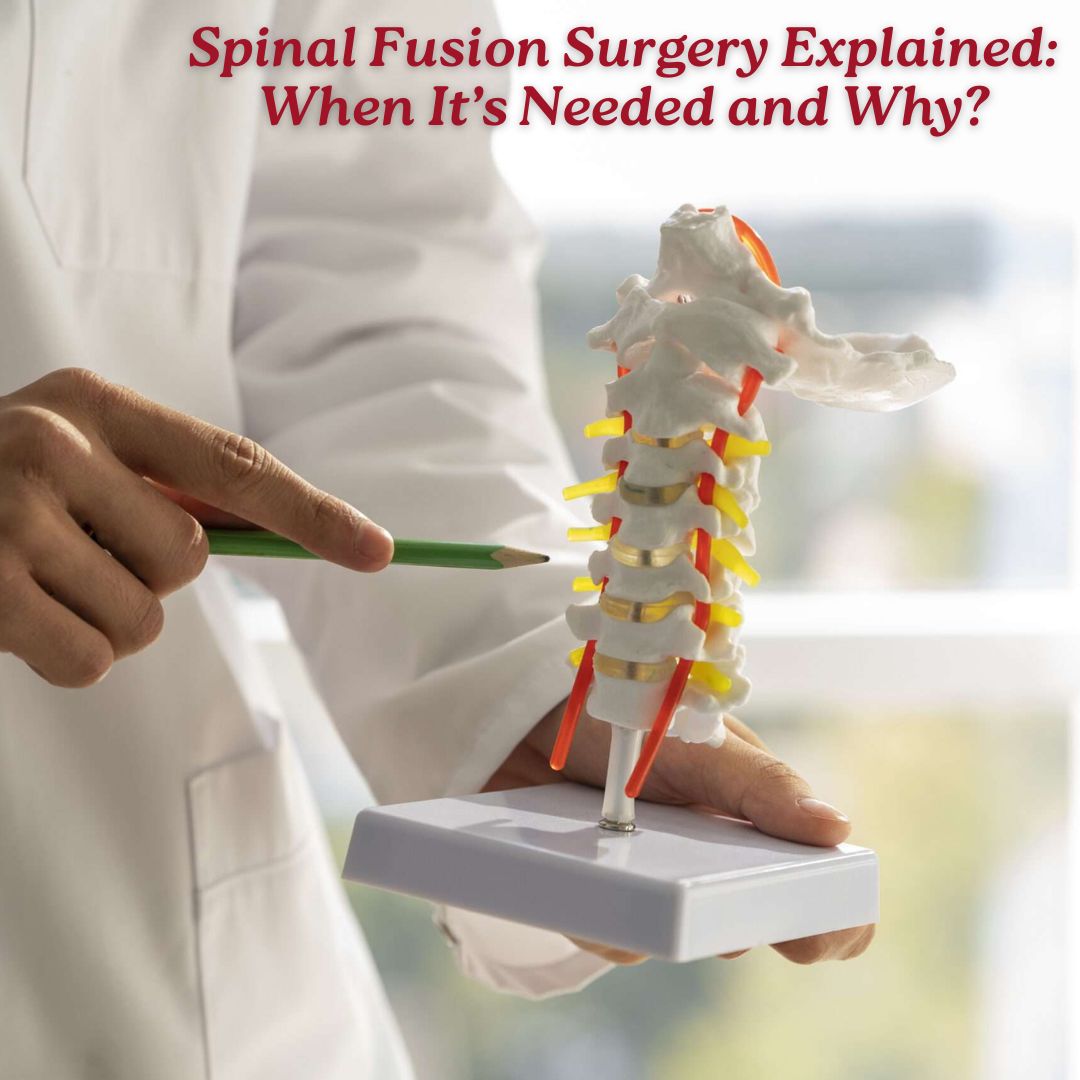
What is a Spinal Fusion?
Spinal fusion is a surgical procedure aimed at joining two or more vertebrae in the spine to eliminate movement between them, thereby providing stability and reducing pain. This technique is often employed to treat various spinal conditions, such as degenerative disc disease, spinal deformities, or injuries. By using bone grafts and sometimes metal hardware, the procedure encourages the growth of new bone, ultimately creating a solid mass that supports the spine. Spinal fusion surgery can significantly improve a patient’s quality of life by alleviating discomfort and restoring function.
Types of Spinal Fusion Surgery
Spinal fusion is a surgical procedure that permanently joins two or more vertebrae to eliminate motion, correct deformities, and stabilize the spine. Common types are categorized by the area of the spine and the surgical approach, including anterior (front), posterior (back), and lateral (side) methods.
For the lower back (lumbar), procedures include Anterior Lumbar Interbody Fusion (ALIF) through the abdomen, Posterior Lumbar Interbody Fusion (PLIF) from the back, Transforaminal Lumbar Interbody Fusion (TLIF) from the back/side, and Extreme or Oblique Lateral Interbody Fusion (XLIF/OLIF) from the side.
In the neck (cervical), common fusions are Anterior Cervical Discectomy and Fusion (ACDF), which accesses the spine from the front, and posterior cervical fusion from the back. These surgeries typically involve placing a bone graft and using hardware like screws, rods, or plates to hold the vertebrae in place while they heal into a single, solid bone.
When is a Spinal Fusion Necessary?
Spinal fusion may be deemed necessary in various circumstances, particularly when conservative treatments have failed to alleviate severe pain or instability in the spine. Conditions such as degenerative disc disease, spinal stenosis, or spondylolisthesis often warrant this surgical intervention to stabilize the affected vertebrae and restore functionality. Additionally, spinal fusion is considered when there is a need to correct deformities or to provide support following trauma or tumor removal. Ultimately, the decision to proceed with spinal fusion is made after careful evaluation of the patient’s specific condition and overall health.

What to expect after a spinal fusion?
After undergoing a spinal fusion, patients can anticipate a period of recovery that varies in duration and intensity depending on individual circumstances. Initially, it is common to experience pain and discomfort as the body begins to heal, which may be managed with prescribed medications. Physical therapy often plays a crucial role in rehabilitation, helping to restore mobility and strength over time.
Patients should also be prepared for follow-up appointments to monitor the fusion’s progress and ensure proper healing. Overall, while the recovery process can be challenging, many individuals ultimately experience significant improvements in their spinal stability and quality of life.
What is the recovery time for spinal fusion surgery?
The recovery time following spinal fusion surgery can vary significantly based on several factors, including the patient’s overall health, the specific procedure performed, and adherence to post-operative care instructions. Generally, patients can expect an initial recovery period of several weeks, during which they may experience pain and limited mobility.
Full recovery, allowing for a return to normal activities, may take anywhere from three to six months, with some individuals requiring even longer for complete healing. It is essential for patients to follow their surgeon’s recommendations and attend follow-up appointments to monitor their progress.
Conclusion
Spinal fusion surgery is a significant medical procedure aimed at alleviating pain and restoring stability to the spine by permanently connecting two or more vertebrae. Many patients experience substantial improvements in pain and mobility post-surgery. Ultimately, spinal fusion surgery can be a transformative option for those with debilitating spinal issues, offering the potential for a significant enhancement in quality of life when approached with careful consideration and appropriate medical guidance.
References:
https://www.mayoclinic.org/tests-procedures/spinal-fusion/about/pac-20384523