Overview
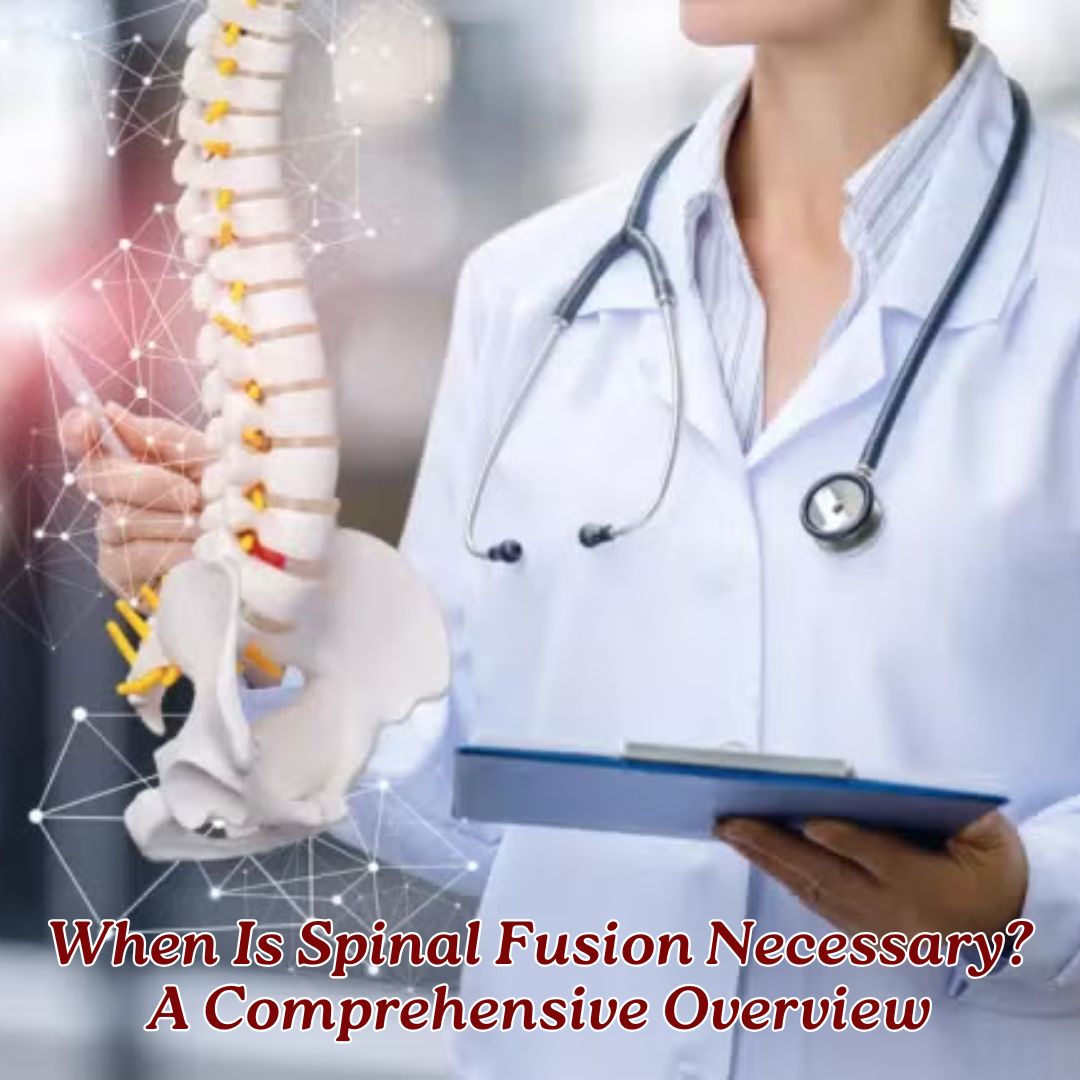
Spinal fusion surgery is a medical procedure designed to alleviate pain and restore stability in the spine by permanently connecting two or more vertebrae. This surgical intervention is often recommended for patients suffering from conditions such as degenerative disc disease, spinal stenosis, or spondylolisthesis, where traditional treatments have failed to provide relief. While spinal fusion can significantly improve quality of life for many patients, it is essential to consider the potential risks and benefits, as well as the recovery process, which may vary depending on individual circumstances.
What is Spinal Fusion Surgery?
Spinal Fusion Surgery is a medical procedure designed to join two or more vertebrae in the spine, effectively eliminating motion between them. This technique is often employed to alleviate pain caused by conditions such as degenerative disc disease, spinal instability, or deformities like scoliosis. By using bone grafts or implants, the surgery promotes the growth of new bone, ultimately stabilizing the affected area. The goal of spinal fusion is to enhance spinal stability and reduce discomfort, thereby improving the patient’s overall quality of life.
When is Spinal Fusion Needed?
Spinal fusion is a surgical procedure that may be necessary in various circumstances, particularly when conservative treatments have failed to alleviate severe back pain or instability caused by conditions such as degenerative disc disease, spinal stenosis, or spondylolisthesis. This procedure is often indicated when there is significant spinal deformity, such as scoliosis, or when a spinal fracture has occurred, leading to instability that could compromise the spinal cord or nerve roots.
The goal of spinal fusion is to stabilize the affected vertebrae, thereby reducing pain and improving function, and it is typically considered after a thorough evaluation of the patient’s medical history, physical examination, and imaging studies, ensuring that the benefits of the surgery outweigh the potential risks involved.
Benefits of Spinal Fusion Surgery
Spinal fusion surgery provides several benefits, primarily by joining two or more vertebrae into a single, solid bone to address instability and alleviate pain.
Key benefits include:
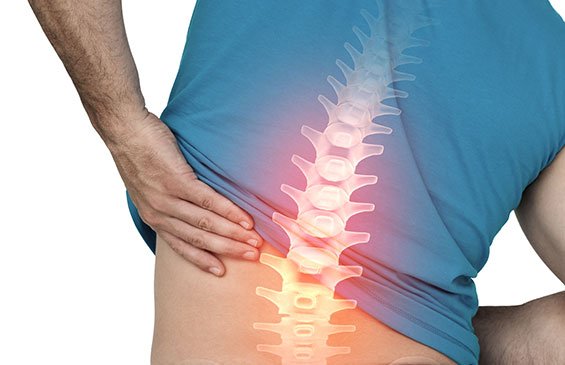
Significant Pain Relief: The procedure aims to eliminate or substantially reduce chronic back or neck pain caused by motion between damaged vertebrae or compressed nerves.
Restored Spinal Stability: By permanently connecting unstable or weak spinal segments (often due to conditions like degenerative disc disease, fractures, or spondylolisthesis), the spine is reinforced, preventing further movement that can cause pain or injury.
Correction of Deformities: Spinal fusion can effectively treat abnormal curvatures or misalignments, such as scoliosis or kyphosis, which improves posture and can alleviate associated pain and functional issues.
Improved Physical Function and Mobility: Many patients experience an improvement in their ability to perform daily activities and hobbies they were previously unable to enjoy due to pain and instability. This often leads to an enhanced quality of life.
Reduced Need for Pain Medication: Successful fusion can decrease or eliminate a patient’s reliance on pain medications, which helps avoid their associated side effects and health risks.
Prevention of Further Nerve Damage: Stabilizing the affected area helps to prevent ongoing pressure or irritation on the spinal cord and nerves, addressing symptoms like tingling, numbness, or muscle weakness in the arms or legs.
Spinal Fusion Risks and Potential Complications
Key risks and potential complications include:
Failed Fusion (Pseudarthrosis): The primary risk is the failure of the bones to heal and fuse into a single solid bone, leading to continued pain or instability and potentially requiring a second surgery.
Infection: As with any surgery, there is a risk of infection at the surgical site, which can be superficial or deep and may require antibiotics or further procedures.
Nerve Damage: The procedure takes place close to the spinal cord and nerve roots. Damage to these can cause new or persistent pain, numbness, weakness, or even paralysis, which can be temporary or, in rare cases, permanent.
Adjacent Segment Disease (ASD): Fusing a section of the spine surgery puts increased stress and motion on the adjacent vertebrae above and below the fused segment, which can accelerate their degeneration and may require future surgery.
Spinal Fluid Leak: The protective membrane around the spinal cord (dura mater) can be torn during surgery, leading to a cerebrospinal fluid (CSF) leak that can cause headaches and may require repair.
Recovery After Spinal Fusion Surgery
Recovery following spinal fusion surgery is a critical phase that requires careful attention and adherence to medical guidance. Patients typically experience a period of discomfort and limited mobility as the body begins to heal and the fusion site stabilizes. It is essential to follow a prescribed rehabilitation program, which may include physical therapy to strengthen surrounding muscles and improve flexibility. Pain management strategies, including medication and rest, play a vital role in facilitating recovery. Overall, a commitment to the recovery plan significantly enhances the likelihood of a successful outcome.
Conclusion
Spinal fusion surgery can be a pivotal intervention for individuals suffering from debilitating spinal conditions. While many patients experience significant relief and enhanced quality of life post-surgery, it is essential to consider the potential risks and complications associated with the procedure. Ultimately, spinal fusion can be an effective solution for those who have exhausted conservative treatment options and seek a long-term resolution to their spinal issues.
References:
https://www.mayoclinic.org/tests-procedures/spinal-fusion/about/pac-20384523